Picking the right lavatory sink faucet? It’s not just about finishes and price tags. If you’re buying globally, there’s a lot more to think through—water efficiency, whether it’ll actually fit your setup, cartridge quality, certifications, and what kind of after-sales support you’ll get. A faucet that works great in a hotel bathroom might totally flop in a home with different water pressure.
Honestly, the industry data kind of makes the case for taking a closer look. Over at the EPA, their WaterSense program says bathroom faucets that use 1.5 gallons per minute or less - that's about 5.7 liters per minute - count as efficient. And really, that target can cut down on water use without making everyday washing and whatnot feel worse. Meanwhile, the WHO and UNICEF point out that billions of people still don't have safely managed water services. So yeah, choosing the right fixtures? It matters more than you might think. So, based on market studies from Grand View Research and Fortune Business Insights, it looks like global demand for plumbing and bathroom fixtures is still on the rise. A lot of that growth is coming from construction, renovation, and hospitality projects.
Honestly, it's the little things that count. When you're actually comparing products in person, stuff like how smoothly the handle moves, whether the aerator gives a clean stream, and if the deck mounting feels solid? Those usually tell you way more than glossy promo photos ever will. Ceramic cartridges are generally a safe bet for dependable control—though you still want to be able to get replacements locally. And yeah, looks can totally fool you. Some fancy-looking finishes end up showing every fingerprint, while cheaper models can be surprisingly solid. So, this guide takes a look at ten lavatory sink faucet options for buyers around the world. We’ll weigh things like design, specs, water usage, how easy they are to install, and whether they hold up over time. Now, it’s not some magic formula—standards differ from region to region, and what users expect can vary a lot too. Before you order, though, it’s worth checking a few basics: certifications, warranty details, inlet dimensions, and whether the supplier seems reliable.
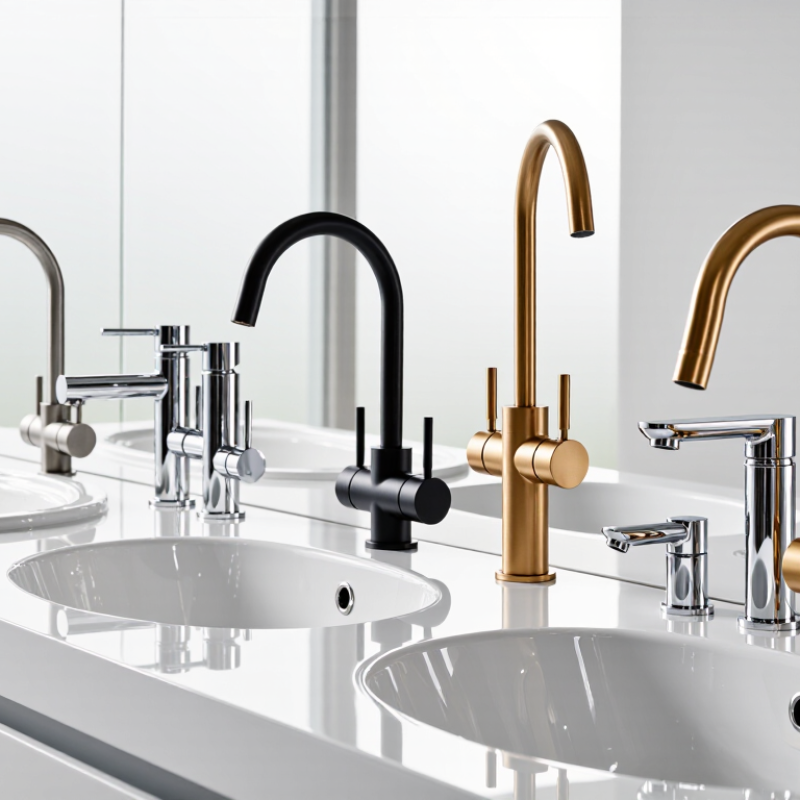
Define Lavatory Faucet Types, Mounting Styles, and Global Buyer Needs
10 Best Lavatory Sink Faucet Options for Global Buyers?
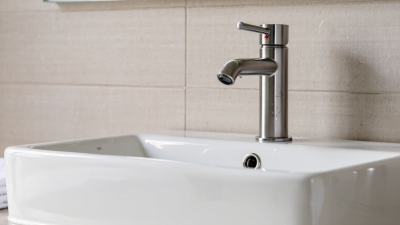
Choosing a lavatory faucet starts with the sink, not the finish. Single-hole faucets suit compact basins and simplify installation. Centerset models fit three-hole sinks with a short center span. Widespread faucets separate the spout and handles. They offer more layout freedom. Wall-mounted faucets create a clean countertop and suit vessel sinks. However, wall depth must be measured carefully before ordering.
Mounting style affects labor, maintenance, and future replacement. Deck-mounted faucets are familiar to many installers and usually need accessible connections. Undermount or countertop installations may require longer supply lines. A wall-mounted design can look elegant, yet hidden plumbing increases repair difficulty. Check hole spacing, spout reach, drain position, and basin height together. Small errors cause water to splash onto the counter.
Global buyers also need practical specifications. Confirm operating pressure, inlet size, flow performance, surface durability, and cartridge materials. Stainless steel construction can resist corrosion in humid bathrooms, but product claims need test documentation. Ask for installation drawings, inspection records, spare parts, and clear warranty terms. Local water conditions matter, especially hard water and unstable pressure. Packaging should protect ceramic and metal parts during long transport. I have found that attractive finishes sometimes hide weak fittings. This is an easy mistake. Buying only by appearance remains tempting, but it can increase installation delays and replacement costs. Recognized testing standards may support reliability, although compliance requirements differ by market.
Compare Flow Rates: EPA WaterSense Limits Eligible Faucets to 1.5 gpm
Choosing a Lavatory Faucet involves more than finish, handle style, or installation method. Flow rate deserves careful attention. Under the EPA WaterSense specification, eligible bathroom sink faucets must not exceed 1.5 gallons per minute at 60 psi. This limit supports water efficiency without requiring an uncomfortable washing experience. However, household pressure can differ greatly. A faucet tested at 60 psi may feel slower in an older building with narrow supply lines. Aerator design also affects the stream’s softness and reach.
Practical evaluations should examine both the specification sheet and the water behavior. Place a one-gallon container beneath the spout and measure the filling time under normal household pressure. This simple check reveals whether the faucet feels useful at the basin. A lower-rated model is not automatically better if the stream splashes or takes too long to rinse soap. I may focus too much on the printed number sometimes. Real comfort still matters.
Tips:
Check the listed flow rate and test pressure before buying. Look for clear compliance information from the seller or manufacturer. Clean the aerator regularly, especially where mineral deposits collect. Compare the stream at different handle positions. A faucet can meet the 1.5 gpm limit and still feel poorly balanced. That detail is easy to miss.
Verify Compliance with ASME A112.18.1, EN 817, and NSF/ANSI 61
Choosing among the 10 Best Lavatory Sink Faucet Options for Global Buyers requires more than comparing finishes or prices.
A Gold Lavatory Faucet may look premium, but compliance evidence matters more. ASME A112.18.1 covers plumbing supply fittings, including performance, durability, and testing requirements. EN 817 addresses mechanical mixing valves and their operating performance. NSF/ANSI 61 focuses on materials that contact drinking water, so buyers should confirm whether the faucet’s wetted components fall within the applicable scope.
The WHO/UNICEF Joint Monitoring Programme reported that 2.2 billion people lacked safely managed drinking water in 2022. This highlights why material safety and traceability deserve careful attention. Ask suppliers for current test reports, certification numbers, factory details, and the exact model covered. Do not accept a certificate showing only a similar product. That mistake is surprisingly common. I would also check pressure ratings, temperature limits, cartridge testing, and surface durability. Decorative plating can hide weak internal components.
Tips:
Request reports from accredited laboratories. Match every model number. Check the production date. Confirm regional marking rules before shipment. Keep samples from the approved batch for inspection. A practical test includes repeated handle movement, leakage checks, and water-contact material review. The paperwork may appear complete, yet one missing page can change the decision. Buyers should record these gaps instead of assuming compliance. Industry data can guide risk assessment, but product-specific evidence remains essential.
Evaluate the Top 10 Options by Materials, Cartridges, Finishes, and Durability
For global buyers, a useful shortlist includes ten lavatory faucet configurations: solid brass with ceramic cartridges, stainless steel with ceramic cartridges, brass with compression valves, zinc-alloy budget bodies, reinforced polymer bodies, single-hole models, widespread models, wall-mounted models, PVD-coated models, and chrome-plated models. Solid brass feels stable under daily use, while stainless steel better resists corrosion near coastal air. Reinforced polymer can reduce cost, but it may feel less substantial. That matters.
Ceramic cartridges usually outlast rubber washers and reduce dripping after repeated operation. Look for cartridges tested to recognized standards, such as ASME A112.18.1/CSA B125.1 or EN 817. The U.S. EPA WaterSense specification limits bathroom sink faucets to 1.5 gallons per minute, about 30% below the federal 2.2-gpm standard. Lower flow can save water, yet an overly restrictive aerator may produce a weak stream in low-pressure homes. Check local pressure before choosing.
Finish selection also affects durability. PVD coatings generally resist abrasion better than decorative paint, while polished chrome hides small scratches more effectively. Matte black shows mineral spots quickly. In practical inspections, I would examine the cartridge seal, aerator thread, mounting plate, and supply-line connections. A 2024 water-efficiency review from the Alliance for Water Efficiency emphasizes fixture performance, maintenance, and user behavior together, not flow rate alone. That is easy to overlook. No finish remains flawless forever, especially with acidic cleaners or hard water. Global buyers should verify replacement-part access, warranty coverage, and certification compatibility before paying for appearance.
Check Installation Fit: 1-Hole, 3-Hole, Centerset, and Vessel Configurations
Choosing the right lavatory faucet begins with the sink’s mounting pattern, not its appearance. A one-hole faucet fits a single opening and creates a clean, compact layout. It works well with many modern countertop basins. A three-hole faucet needs separate openings for the spout and two handles. Measure the hole spacing carefully before ordering. Small errors can prevent proper installation.
Centerset faucets combine three connections on one base, usually within a standard four-inch spread. They suit many traditional bathroom sinks and can hide minor surface marks. Vessel sinks require extra attention. Their raised bowls need a taller faucet body and a spout that reaches the basin center. Check the faucet height, spout reach, countertop thickness, and drain position together. Do not rely on photographs.
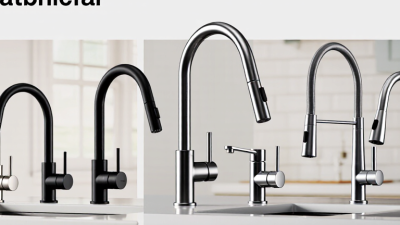
Finish matters too. A Black Lavatory Faucet can emphasize water spots, dust, and mineral residue under strong bathroom lighting. A soft cloth helps preserve its appearance. Confirm the inlet connection size and included adapters, especially when buying across regions. Plumbing standards vary. I once focused too heavily on style and overlooked the supply-line length. The installation became unnecessarily difficult. That mistake still influences my checklist. Leave enough clearance behind the handle and beneath the counter for tightening tools. Test the water flow and check every joint for leaks after installation. A careful fit is more valuable than a perfect-looking product page.
Assess Water Efficiency, Warranty Coverage, Pricing, and Spare-Part Access
Choosing among the 10 best lavatory sink faucet options requires more than comparing polished finishes. During installation checks, I look for smooth handle movement, stable mounting, and an aerator that keeps the stream controlled. A faucet using about 4–5 liters per minute can reduce water waste without making handwashing uncomfortable. However, very low flow may feel weak in homes with poor water pressure. Test the actual pressure before ordering.
Warranty coverage can vary sharply between markets. Check whether it covers cartridges, ceramic discs, seals, and corrosion, not only the faucet body. A clear warranty should state service periods, required documents, and shipping responsibilities. Pricing also needs context. A cheaper faucet may become expensive when replacement parts are unavailable or international delivery takes several weeks. Ask the seller for a current parts list, exploded diagram, and local distributor contacts.
Spare-part access matters.
Common replacement items include aerators, hoses, cartridges, and mounting kits. Confirm thread sizes and inlet connections before purchase, because regional standards may differ. Stainless steel or brass construction can improve durability, but material claims should be supported by technical specifications, not vague advertising. I would also inspect customer installation feedback, while admitting that online reviews can be incomplete or biased. The strongest option balances verified water efficiency, practical warranty support, fair pricing, and dependable parts access. A beautiful faucet is not enough.
Match Each Faucet Option to Regional Standards and Use Cases
Choosing among ten lavatory sink faucet options requires more than appearance. Regional standards, water pressure, and user behavior change the right specification. In North America, a WaterSense-labeled faucet uses no more than 1.5 gallons per minute, compared with the federal 2.2-gallon limit, according to the U.S. Environmental Protection Agency. For hotels, schools, and clinics, a Sensor Lavatory Faucet can reduce touchpoints and support frequent handwashing. However, battery access and false activation remain practical concerns.
The ten options can include single-handle, dual-handle, wall-mounted, deck-mounted, low-flow, thermostatic, push-button, electronic, child-height, and accessible models. European projects should verify EN 817 requirements and local potable-water approvals. Australian buyers should check the Water Efficiency Labelling and Standards scheme. UK installations may require applicable water-regulation acceptance. North American projects should review ASME A112.18.1/CSA B125.1 compatibility. Do not assume one certificate travels everywhere.
Use cases also matter. A low-flow model suits apartments with stable pressure, while a thermostatic faucet benefits care facilities and public washrooms. The WHO and UNICEF Joint Monitoring Programme reported that 2.3 billion people lacked basic hygiene facilities at home in 2022. That figure makes dependable handwashing hardware important, especially where maintenance is limited. Still, electronic faucets are not automatically better. I have seen sensors fail when soap residue covers the detection window. Selection should balance hygiene, repair access, water efficiency, and local standards. Thin handles can also challenge users with limited grip strength.
FAQS
Eligible efficient faucets should not exceed 1.5 gallons per minute at 60 psi. That limit can save water. A lower number may still feel weak.
Household pressure, narrow pipes, and aerator design change the water stream. An older building may produce slower rinsing. The printed rating is not the whole experience.
Place a one-gallon container beneath the spout. Measure filling time using normal household pressure. Then test several handle positions. This simple test helps.
Yes, if its stream reaches the basin smoothly without excessive splashing. Some models feel poorly balanced despite meeting the flow limit. Comfort deserves attention too.
Clean the aerator regularly, especially where mineral deposits collect. Sediment can weaken the stream or distort its direction. A small blockage matters.
They can reduce touching during frequent handwashing. However, batteries need access, and sensors may activate falsely. Soap residue can also block the detection window.
Yes. Requirements differ across North America, Europe, Australia, and the United Kingdom. Check local plumbing approvals before purchasing. One certificate may not work everywhere.
Low-flow models suit apartments with stable pressure. Thermostatic designs can help care facilities and public washrooms. Accessible handles benefit users with limited grip strength. Thin handles are not always practical.
No. They may reduce contact, but repairs and battery access remain important. A manual faucet can be more dependable in some locations. I may overvalue touchless operation sometimes. Maintenance still decides much.
Conclusion
Choosing the right Lavatory Sink Faucet for global projects requires more than comparing appearance and price. Buyers should first understand faucet types, mounting styles, and regional preferences, including 1-hole, 3-hole, centerset, and vessel configurations. Flow rate is also important: faucets intended for WaterSense eligibility must meet applicable limits, such as 1.5 gallons per minute. Product documentation should confirm compliance with relevant standards, including ASME A112.18.1, EN 817, and NSF/ANSI 61, where required.
A practical evaluation of the top ten options should consider construction materials, cartridge quality, surface finishes, corrosion resistance, and long-term durability. Buyers should verify installation dimensions, connection requirements, water-efficiency performance, warranty terms, and access to replacement parts. Finally, each faucet should be matched to its intended region and use case, from residential bathrooms to hospitality and commercial facilities. This approach helps purchasers balance reliable performance, regulatory suitability, maintenance convenience, and total ownership cost.

 Patented Designs
 Patented Bathroom Faucets
 Patented Kitchen Faucets
 Completed Series Collection
 Shower Faucets
 Bathroom Accessories
 kitchen Series
 Filter kitchen Faucet
 Silicone kitchen Faucets
 Spring Loaded kitchen Faucets