Inquiry
Form loading...
0%

Picking out the perfect chrome kitchen faucet in 2026? It’s not just about how shiny it is or how tall it stands – trust me, there’s more to it. Sure, a nice polished finish can really brighten up a small kitchen, and a pull-down sprayer is a lifesaver when you’ve got a deep sink and food stuck in every nook and cranny. But here’s the thing: looks can be deceiving. You might fall in love with a faucet’s appearance, only to find out it drips like crazy after a month. So don’t just judge a faucet by its cover – you need to think about durability and performance too. Okay, so you've got everything installed—now what? Honestly, the real stuff that matters is in the little details you might not think about right away. I'm talking about things like how good that cartridge actually is, and whether the handle moves the way you'd expect it to. Then there's the hose—does it bend easily or does it fight you? And you definitely want to make sure the whole thing isn't wobbling around on you. Plus, let's not forget how much of a pain it is to clean when you're done. Yeah, those are the things that make or break the experience, trust me.

So when we think about these features, it’s really all about how they feel in practice, you know? Like, a faucet should have that nice, balanced weight when you pull down the spray head—not too heavy, not flimsy. And the hose? It’s gotta retract smooth as butter, without that annoying snap or that weird, jerky tug. Water flow matters too—it should be gentle enough for rinsing off some veggies, strong enough to fill up a big pot, and just right for everyday dish duty. Now, before you buy, do yourself a favor and dig into the fine print. Check the warranty—what’s actually covered, for how long—and make sure you can easily get replacement parts. Also, look for those certifications from recognized testing labs; they give you a bit of peace of mind that the thing won't flake out on you in a year. Honestly, I've found that those small details often tell you more than all the polished product photos out there.

Look, chrome is tough, no doubt about that—but it’s not like you can just set it and forget it. You’ll probably notice fingerprints or those annoying hard-water spots around the handle or spout before too long. A soft cloth usually does the trick, honestly. But here’s the thing: if you go for harsh cleaners, you’re basically asking for surface damage. And let’s be real—no buying guide, no matter how detailed, can predict how your specific household will get along with it. Stuff like sink depth, water pressure, how much cabinet space you’ve got, even your own installation skills—all of that can totally change the outcome. And oh, don’t underestimate the little measurements. Before you hit that “buy” button, double-check the number of mounting holes and the faucet’s overall height. Trust me, that’s a mistake you don’t want to make twice. You know, even a drop-dead gorgeous model can turn into a real headache if it's blocking your window or cramping your style next to the overhead cabinet. That's exactly why this 2026 guide is here – to help you make a smart, confident pick without forgetting about those sneaky little issues that nobody talks about at first glance.
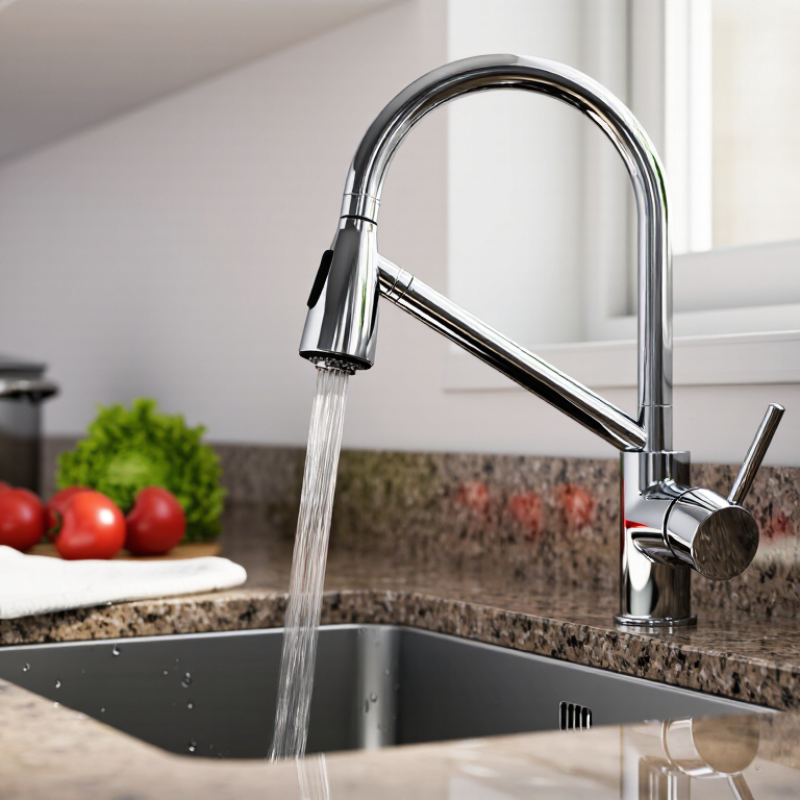
2026 Best Chrome Kitchen Faucet Buying Guide

What a Chrome Kitchen Faucet Is and How It Works

A chrome kitchen faucet is a water-control fixture with a polished chrome finish. Chrome is not the faucet’s operating material. It is a thin protective and decorative layer over metal or engineered components.

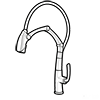
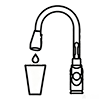
Inside, turning the handle moves a ceramic cartridge or compression valve. This action blends hot and cold water and controls flow. The water travels through flexible supply lines, then exits through an aerator. A pull-down model adds a hose, spray head, and diverter valve. The diverter changes the stream into a focused jet or wider spray.

The U.S. Environmental Protection Agency’s WaterSense specification limits labeled kitchen faucets to 1.5 gallons per minute. That rate can reduce water use without making rinsing painfully slow. The U.S. Department of Energy lists 2.2 gallons per minute as the federal maximum for many kitchen faucets. Check the flow label, not only the appearance.

Chrome reflects light clearly. It also reveals fingerprints, dried minerals, and fine scratches quickly. A soft cloth works better than abrasive powder. In hard-water homes, mineral scale may collect around the aerator first. I once judged a faucet by its shine and ignored cartridge quality. That was a poor test. Handle resistance, hose retraction, valve access, and replacement-part availability matter more after installation. Some specifications look impressive on paper, yet daily use can expose weak spray control or awkward clearance.

Key Features to Compare in 2026 Chrome Kitchen Faucets

When comparing 2026 chrome kitchen faucets, examine the finish beyond its shine. Polished chrome reflects light and suits many kitchens, but fingerprints and water spots appear quickly. Look for a corrosion-resistant surface with consistent plating around the handle and base. A faucet with a ceramic cartridge usually offers smoother control and fewer drips than basic rubber-seal designs. Test the handle movement if possible. It should feel firm, not loose.

Function matters more than appearance. Compare the water-flow rate, spray patterns, and hose reach. A pull-down head should return securely and reach a deep stockpot without stretching. Magnetic docking can help, but weak magnets become annoying over time. Touchless sensors may improve hygiene, although batteries and sensor placement need regular attention. Check installation requirements carefully, including hole count, countertop thickness, and supply-line length. A reliable warranty and clear replacement-parts policy also show stronger long-term support.

Tips: Wipe chrome dry after cooking to reduce mineral marks. Measure your sink before ordering. Read independent user reviews, especially comments about leaking hoses and loose sprayer heads. I have found that a beautiful faucet can still feel awkward when its handle hits a backsplash. That detail is easy to miss. Compare comfort, maintenance, and real water control, not just the showroom finish.

2026 Best Chrome Kitchen Faucet Buying Guide - Key Features to Compare in 2026 Chrome Kitchen Faucets

Feature Recommended Range or Standard Why It Matters What to Check Before Buying
Body Material Solid brass or corrosion-resistant stainless steel Provides structural strength and better resistance to moisture and daily use. Confirm the material of the faucet body, not only the material of the exterior coating.
Chrome Finish Polished chrome with a smooth, even, corrosion-resistant surface Chrome is easy to wipe clean and complements many kitchen styles. Look for consistent plating, smooth edges, and care instructions that prohibit abrasive cleaners.
Mounting Configuration Single-hole, with optional deck plate for three-hole sinks A compatible mounting design simplifies installation and helps cover unused sink holes. Measure the sink or countertop hole spacing; common three-hole spacing is approximately 4 inches.
Water Flow Rate Typically up to 1.8 gallons per minute (6.8 L/min) in the United States Balances rinsing performance with water efficiency. Check the product label and local requirements; some areas require lower-flow kitchen faucets.
Handle Design Single lever with clear hot-and-cold movement Allows convenient one-handed temperature and flow adjustment. Choose a handle with enough clearance from the backsplash or wall.
Spray Modes At least stream and spray; pause mode is a useful extra Stream fills containers, spray rinses dishes, and pause helps reduce unnecessary water use. Test whether the selector is easy to operate and switches modes without sticking.
Pull-Down or Pull-Out Head Pull-down head for deep sinks; pull-out head for compact spaces A flexible hose improves reach and makes it easier to rinse the sink basin. Check hose length, retraction method, docking strength, and whether the head swivels.
Spout Height and Reach Select dimensions suited to the sink; a swivel spout is preferable Correct proportions reduce splashing and provide clearance for large cookware. Measure sink depth, backsplash clearance, window clearance, and the distance from the mounting hole to the basin center.
Cartridge Type Ceramic disc cartridge Ceramic cartridges are designed for smooth operation and reliable shutoff when properly manufactured. Confirm that replacement cartridges are available and identify the service procedure.
Aerator Easy-clean or removable aerator with a controlled, splash-reducing stream Helps create a steady flow and makes mineral buildup easier to remove. Check whether the aerator can be removed with standard tools and cleaned without damaging the finish.
Supply Connections Clearly marked hot and cold flexible supply lines; common U.S. connection size is 3/8 inch Compatible connections reduce installation time and the risk of leaks. Verify thread size, line length, shutoff-valve condition, and whether adapters are needed.
Installation Requirements Standard countertop or sink installation with adequate underside clearance Sufficient workspace is necessary to tighten the mounting hardware and connect water lines safely. Review the installation manual and measure the cabinet space below the sink.
Certification and Compliance Applicable plumbing, drinking-water-contact, and water-efficiency certifications for the installation region Independent certification supports performance, safety, and regulatory compliance. Check certification marks and confirm that they apply to the exact faucet model.
Maintenance and Warranty Replaceable hoses, seals, aerators, and cartridges with clearly stated warranty terms Serviceable components can extend useful life and reduce replacement costs. Read exclusions, proof-of-purchase requirements, labor coverage, and available spare-part support.

Note: Flow-rate limits, connection sizes, certification requirements, and installation practices can vary by country and local plumbing code. Always verify the specifications for the intended installation location.

How to Choose the Right Faucet Size and Configuration

Choosing a Chrome Kitchen Sink Faucet starts with the sink, not the finish. Measure the sink deck, basin depth, and distance to the backsplash. A faucet mounted too close to the wall may not swing properly. Leave at least 2 inches of clearance behind the handle when possible. Small details matter.

The U.S. Department of Energy sets a maximum flow rate of 2.2 gallons per minute for many residential kitchen faucets at 60 psi. Lower-flow models can reduce water use, but weak pressure may frustrate daily washing. Check the faucet’s certified flow rate before buying. The National Kitchen and Bath Association’s 2024 Kitchen Trends Report also identifies pull-down and single-handle configurations as highly practical choices for modern kitchens. One hand can control temperature while the other holds a pan.

Configuration should match your routine. A pull-down spray head suits deep sinks and large pots. A pull-out design may work better in a narrow galley kitchen. For a three-hole sink, use a matching deck plate or select a faucet designed for that spacing. Measure the hole centers first. I still measure twice; guessing here is expensive. Chrome shows water spots clearly, so a smooth surface and easy-clean spray nozzles are worth considering. The wrong height can splash water onto the countertop, even when the faucet looks perfect in the showroom.

Chrome Finishes, Materials, and Durability Explained

A Polished Chrome Kitchen Faucet can brighten a kitchen with a clean, mirror-like surface. Chrome plating usually covers brass, stainless steel, or zinc-based bodies. The base material matters more than appearance. Solid brass and stainless steel generally offer better strength and corrosion resistance. Zinc alloys may cost less, but they can feel lighter and wear sooner.

Chrome is easy to wipe after cooking, yet it shows fingerprints and hard-water spots quickly. A soft cloth and mild soap usually protect the finish. Avoid abrasive pads and strong chemical cleaners. They can dull the surface or damage the plating. Look closely at the cartridge, hose connections, and mounting hardware. A ceramic cartridge often provides smoother control and better leak resistance. However, even quality parts can fail if installation is rushed. That detail is easy to underestimate.

Tips: Check the faucet under bright light before buying. Look for an even finish, firm handle movement, and neatly sealed joints. Ask about plating thickness and replacement parts. If your water is hard, plan frequent drying or choose a finish designed for lower visibility. No chrome finish stays perfect forever. I still think durability deserves more attention than showroom shine. A faucet should handle wet hands, splashes, and daily movement without feeling loose. That is the real test.

2026 Best Chrome Kitchen Faucet Buying Guide

Material density is a useful physical comparison when evaluating faucet bodies: solid brass and stainless steel are substantially denser than zinc alloy and ABS plastic. However, density alone does not determine service life. For a durable chrome faucet, also check the body construction, ceramic cartridge, connection quality, and chrome-plating consistency. Chrome finishes are easy to clean and provide a bright, reflective surface, but abrasive cleaners can damage the finish.

Typical density values are approximate ranges based on commonly used engineering material data; actual values vary by alloy and formulation.

Installation, Compatibility, and Maintenance Requirements

Choosing the right Chrome Pull Down Kitchen Faucet starts with your sink, not its appearance. Measure the mounting hole diameter and deck thickness before ordering. Most single-hole models include an escutcheon for three-hole sinks, but not every countertop accepts one. Check cabinet clearance beneath the basin, especially when supply lines connect near a drawer.

Installation is usually manageable with an adjustable wrench, basin wrench, plumber’s tape, and a flashlight. Shut off both water valves and place a towel below the connections. The faucet should sit firmly without rocking. Hand-tighten flexible hoses first, then use a wrench carefully. Over-tightening can damage threads or compress seals unevenly. I have found that ignoring the hose length creates unnecessary strain, even when the faucet technically fits.

Tips: Flush the supply lines before final connection. Test hot and cold flow separately. Look for drips after ten minutes. A small leak may appear only under pressure.

Chrome surfaces need gentle care. Wipe water spots with a soft, damp cloth after use. Avoid abrasive powders, rough sponges, and strong acidic cleaners. They can dull the finish or mark the protective layer. Clean the spray head monthly by removing mineral buildup around its nozzles. Soaking may help, but the manufacturer’s care instructions remain more reliable. I sometimes clean too early and miss the real issue: low pressure can come from a clogged aerator, kinked hose, or partially closed valve.

How to Evaluate Value, Safety, and Long-Term Performance

A 2026 Pull Down Kitchen Faucet Chrome model should be judged beyond its bright finish. Chrome can look clean under showroom lights, yet fingerprints and water spots appear quickly at home. Check the metal’s thickness, cartridge quality, and connection fittings. A heavier body often feels more stable, but weight alone does not prove durability. I prefer testing the handle movement several times. It should feel smooth, firm, and predictable.

Safety deserves equal attention. Choose a faucet with secure hose retraction and a spray head that locks properly. Loose components can cause unexpected movement near hot water. Confirm that the waterway materials meet recognized safety standards in your region. Also inspect the base seal and supply lines. Small leaks may remain unnoticed beneath a cabinet for weeks. I once underestimated this detail, and the damp wood showed the mistake.

Tips: Run both spray modes before installation. Listen for rattling. Measure the sink depth and backsplash clearance. Look for easy-to-replace aerators and accessible cartridges. A lower purchase price may become expensive when uncommon parts fail. Still, premium pricing is not automatic proof of better value. Keep the installation manual and record the purchase date. That simple habit helps with maintenance decisions later.

FAQS

What is a chrome kitchen faucet?

It is a kitchen faucet with a polished chrome surface. Chrome protects and decorates the underlying metal or engineered parts. The faucet still relies on internal valves for water control.

How does a chrome kitchen faucet control water?

Turning the handle moves a ceramic cartridge or compression valve. This controls water flow and blends hot and cold water. An aerator shapes the stream at the outlet.

What does a pull-down design add?

It adds a flexible hose, spray head, and diverter valve. The diverter changes a focused jet into a wider spray. Check hose retraction and clearance beneath the sink.

What flow rate should I choose?

Some efficient kitchen faucets provide up to 1.5 gallons per minute. Many kitchen faucets have a maximum rate of 2.2 gallons per minute. Check the flow label, not just the polished finish.

How should I check compatibility before installation?

Measure the sink hole diameter and deck thickness first. Check whether the mounting plate fits your sink configuration. Measure cabinet clearance, especially near drawers and supply-line connections.

What tools help with installation?

An adjustable wrench, basin wrench, plumber’s tape, and flashlight are useful. Shut off both water valves before disconnecting anything. Place a towel below the connections.

How can I test a newly installed faucet?

Flush the supply lines before making the final connection. Test hot and cold water separately. Look for drips after ten minutes. Small leaks may appear only under pressure.

How should I clean the chrome surface?

Wipe water spots with a soft, damp cloth after use. Avoid abrasive powder, rough sponges, and strong acidic cleaners. These materials can dull or scratch the protective layer.

Why might water pressure become weak?

A clogged aerator, kinked hose, or partly closed valve may restrict flow. Mineral scale often gathers around the spray head first. I once blamed the cartridge too quickly. That diagnosis was probably wrong.

What matters beyond the faucet’s appearance?

Handle resistance, valve access, hose movement, and replacement-part availability affect daily use. A bright finish cannot prove good internal quality. Measure twice. Then check the parts.

Conclusion

A Chrome Kitchen Faucet is a practical blend of water control, kitchen convenience, and visual appeal. This guide explains how its valve, spout, handle, and spray functions work, while highlighting key features to compare in 2026, such as flow control, pull-down or pull-out operation, swivel range, leak resistance, and ease of use. It also shows how to select the right height, reach, mounting style, and configuration for your sink and countertop.

The guide further examines chrome finishes, underlying materials, corrosion resistance, and durability under daily use. Readers will learn how to check installation requirements, plumbing compatibility, cleaning needs, and long-term maintenance before buying. Finally, it provides a practical framework for evaluating overall value, user safety, water efficiency, warranty considerations, and expected performance. By balancing design, function, installation demands, and lasting quality, shoppers can choose a reliable faucet that suits both their kitchen layout and everyday habits.


Oliver Hayes

Oliver Hayes

Oliver Hayes is a seasoned marketing professional with a strong understanding of product development, manufacturing, and market operations. Working closely with an established industry enterprise, he brings extensive knowledge of the complete product lifecycle, from research and development to......
Previous 10 Best Lavatory Sink Faucet Options for Global Buyers?