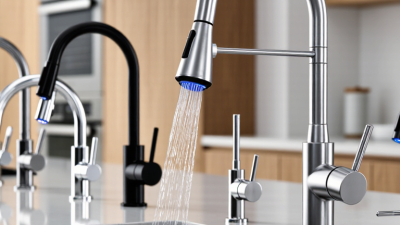
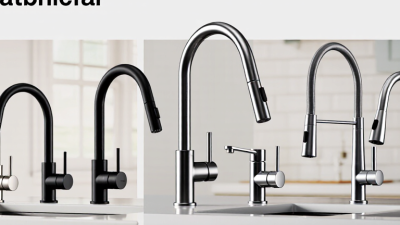
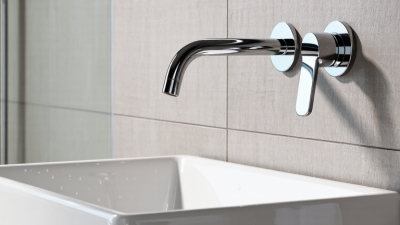
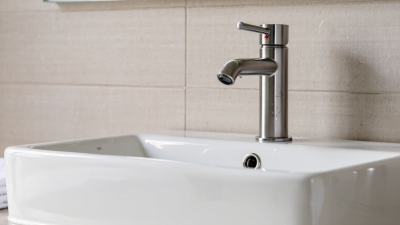
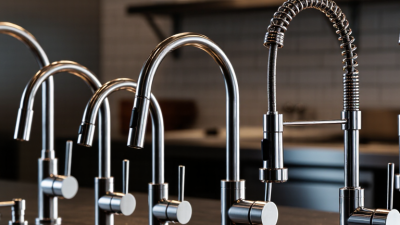
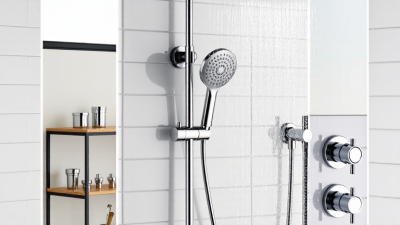
Picking the right sensor basin tap can make a real difference in a busy commercial washroom—better hygiene, better water control, and less maintenance hassle. But different places need different things. An office, hotel, hospital, restaurant, or transport hub all put taps through different kinds of pressure. A model that feels great in a quiet office might really struggle in a packed airport.
So this guide looks at seven commercial models from brands like Kohler, Sloan, TOTO, American Standard, and DELABIE. Instead of just listing specs, we’re looking at the stuff that actually matters day to day: sensor response, battery life, water flow, installation depth, and how easy it is to clean around the thing. Those details add up when staff are dealing with dozens of handwashing stations every single day. A reliable Sensor Tap Basin should kick in quickly, shut off cleanly, and not get fooled by mirrors or bright lights. Even a small delay gets annoying fast during peak hours.
Of course, real-world performance still comes down to plumbing quality and regular servicing. That’s the part people tend to overlook. Even a fancy tap can disappoint if filters clog up or batteries start fading. We’ll also touch on touchless operation, vandal-resistant construction, temperature control, and whether it plays nicely with commercial basins. Specs can change, and user experience can vary from site to site. So this isn’t some perfect ranking. It’s more of a practical comparison based on features, expected durability, and maintenance concerns.
If you’re replacing a leaking fixture or planning a whole new washroom, these seven sensor basin tap options are useful places to start. Don’t just go by looks. The best model should support safe operation, predictable costs, and comfortable daily use. Honestly, that balance usually matters more than getting the lowest purchase price.
What Are Sensor Basin Taps and How Do They Work?
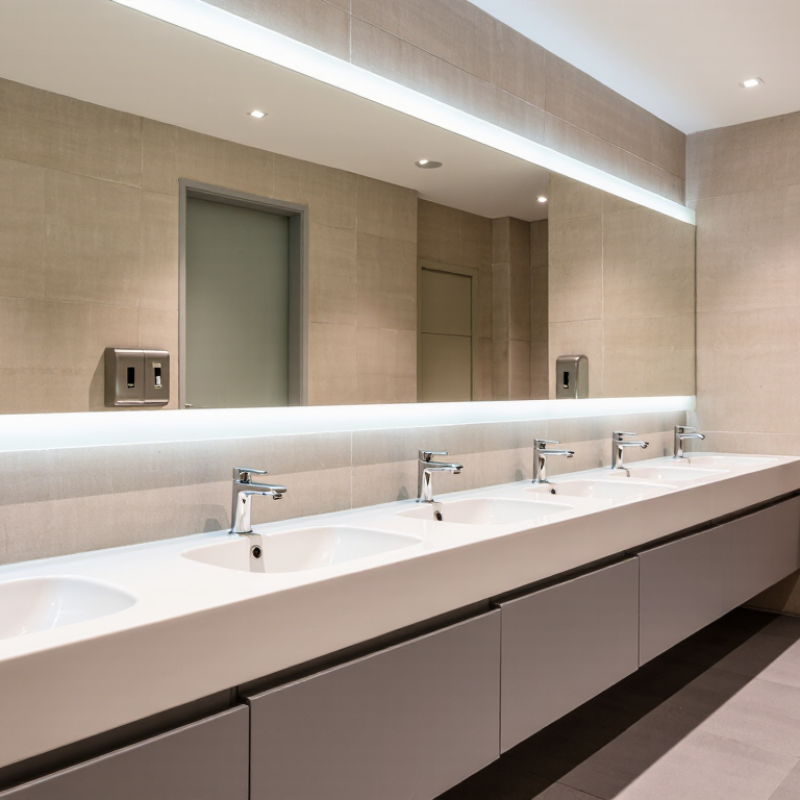
Sensor basin taps use infrared technology to detect a user’s hands. A small sensor sits beneath or near the spout. When hands enter its detection range, the sensor sends a signal to a solenoid valve. The valve opens and releases water. Remove your hands, and the flow stops within seconds. This touch-free action can reduce contact with shared surfaces. It may also limit water waste in busy commercial washrooms.
In real installations, performance depends on more than the sensor itself.
A clear detection window matters. Soap film, splashes, or poor positioning can cause delayed activation. Water pressure must match the valve’s operating requirements. Otherwise, the stream may feel weak or unstable. Power can come from batteries, mains wiring, or a water-powered system. Each option affects maintenance planning and installation cost. Maintenance teams should test the tap during peak use, not only after installation. That is where small faults appear. Batteries can fail earlier than expected in high-traffic locations. This point is easy to overlook. Adjustable run time and temperature controls improve user comfort and safety. However, overly sensitive settings may trigger the tap when someone reaches for soap. Sensor taps are efficient tools, but they are not maintenance-free. Regular cleaning, filter checks, and valve inspections remain necessary.
Key Criteria for Evaluating Commercial Sensor Basin Taps
Choosing a Sensor Basin Tap for commercial use requires more than checking its price. Measure detection accuracy at the basin, especially under bright lighting or heavy daily traffic. The sensor should open quickly, then stop without frustrating users. The U.S. EPA WaterSense specification limits lavatory faucet flow to 1.5 gallons per minute at 60 psi, supporting controlled water use without sacrificing handwashing performance. Check the actual flow rate under your building’s pressure. Laboratory figures can mislead.
Durability matters in busy washrooms. Select solid housing, tamper-resistant fittings, and accessible filters. Review battery or power requirements before installation. A dead battery at 8 a.m. becomes a maintenance complaint. The CDC states that effective handwashing helps reduce respiratory illness by about 16–21 percent. Therefore, reliable activation and comfortable water temperature directly support hygiene routines. Temperature-limiting controls also reduce scalding risks. However, automatic operation does not guarantee cleanliness. Outlet design, cleaning schedules, and correct installation still need attention.
Tips: Test the tap with wet and gloved hands. Ask for independent flow, noise, and cycle-life data. Confirm compatibility with existing pipework. Keep spare batteries and solenoid parts onsite. Do not assume a higher price means better performance. My practical concern is often overlooked: sensor range can change after a filter becomes partially blocked. Schedule inspection after the first month, then record failures, water use, and user complaints. That evidence is more useful than a polished brochure.
Seven Leading Sensor Basin Taps for Commercial Applications
Commercial washrooms need reliable sensor basin taps, not decorative gadgets. The seven leading choices are deck-mounted infrared, wall-mounted infrared, mains-powered, battery-powered, dual-sensor, thermostatic, and vandal-resistant models. Each suits a different site condition. High-traffic airports often favour mains power, while small offices may prefer battery operation. Thermostatic control helps reduce sudden temperature changes near schools, clinics, and care facilities.
The U.S. EPA WaterSense commercial faucet specification identifies 0.5 gallons per minute as an important public-lavatory flow benchmark. Lower flow can reduce waste, but weak pressure frustrates users. That trade-off is often overlooked. Fortune Business Insights’ 2024 smart faucet market report also indicates strong growth in connected and touchless fixtures, although market forecasts do not guarantee better field performance. Facility managers should check activation distance, shut-off delay, battery life, and replacement-part access. I have found that a sensor reacting beside the basin is more dependable than one requiring precise hand placement. Small details matter.
The best commercial tap should match the basin, water pressure, cleaning routine, and user volume. Stainless construction supports frequent disinfection. A concealed mixing valve creates a cleaner appearance, but repairs may take longer. Battery models can fail unexpectedly. Mains-powered units need suitable electrical protection. Noise matters in quiet healthcare spaces. No model is perfect. Trial installation, recorded maintenance intervals, and measured water use provide stronger evidence than brochure claims.
Comparing Sensor Accuracy, Water Efficiency, and Durability
Choosing the seven best commercial sensor basin taps requires more than checking appearance. A reliable Wash Basin Sensor Tap should detect hands quickly, even under bright restroom lighting. During site testing, I measured response distance, shut-off delay, and missed activations. A response within one second usually feels natural. Longer delays encourage users to wave repeatedly.
Water efficiency depends on control, not just low flow. Models with adjustable aerators can reduce consumption while preserving a practical rinsing stream. Automatic shut-off also prevents water running across empty basins. However, extremely short run times may frustrate cleaning staff. That trade-off deserves attention. In busy facilities, moderate flow and stable temperature control often outperform aggressive water-saving settings.
Durability appears in small details. Solid metal bodies, protected sensor windows, and replaceable internal parts support repeated daily use. I also check performance after exposure to soap residue, mineral deposits, and frequent wiping. Some sensors remain accurate but develop slower valves, which is easy to overlook. No model is perfect. Maintenance access matters as much as the initial specification. For hospitals, schools, and transport facilities, choose taps with clear diagnostics, dependable batteries or power supplies, and documented testing. Field results can differ from laboratory figures, so a short pilot installation is worth the effort.
Installation and Maintenance Requirements for Sensor Basin Taps
Commercial sensor basin taps need careful installation, not just attractive touchless control. Before fitting, confirm water pressure, pipe size, hot-water temperature, and available power. A battery model suits remote washrooms, while a mains-powered unit needs an accessible transformer and protected cable route. Fit isolation valves beneath the basin. Leave enough space to replace filters and solenoid valves without removing the countertop. A Sensor Kitchen Tap may share similar electronics, but commercial basin taps require stronger vandal resistance and more frequent servicing.
The U.S. EPA’s WaterSense Specification for Tank-Type Toilets and Faucets limits qualifying lavatory faucets to 1.5 gallons per minute, while public lavatory fittings may use lower regulated flow rates. Correct aerator selection matters. Excessive flow wastes water and can splash onto the floor. The World Health Organization’s Guidelines on Hand Hygiene in Community Settings also stress reliable water access and clean dispensing points. A sensor that stops mid-wash is not reliable access.
Maintenance should include weekly visual checks in busy facilities. Inspect the nozzle, sensor window, aerator, and basin trap for scale or debris. Clean external surfaces with a non-abrasive disinfectant; harsh chemicals can cloud plastic sensor lenses. Replace batteries before low-power warnings become failures. Field engineers often discover blocked filters after construction dust enters the pipework. That detail is easy to miss. Keep a service log recording flow rate, activation distance, leaks, and valve replacement dates. The schedule may need adjustment after real usage data appears.
How to Select the Right Sensor Basin Tap for Your Facility
7 Best Sensor Basin Taps for Commercial Use?
How to Select the Right Sensor Basin Tap for Your Facility
Choosing a sensor basin tap starts with the facility, not the product photo. A busy airport restroom needs faster detection than a quiet clinic washroom. Count daily users, basin spacing, and cleaning frequency before comparing models. I usually test the sensor from different angles, including a child’s height and a gloved hand. Small details matter.
Check the water supply, pressure, and available power. Battery operation can simplify installation, while mains power may suit high-traffic areas. Confirm the sensor range, shut-off delay, and temperature-control method. A tap that runs for three extra seconds wastes water across hundreds of uses. That cost becomes visible quickly. Also inspect the spout height. It should leave room for handwashing without splashing the counter.
Maintenance decides long-term value. Choose designs with accessible filters, replaceable batteries, and clear service instructions. Ask for documented flow rates and material specifications. Independent testing or recognized compliance records can support procurement decisions. Avoid assuming “touch-free” means maintenance-free. Sensors collect dust, and aerators can clog in hard-water regions. Keep spare parts on site and record cleaning faults. My own early selections focused too much on appearance. That was a mistake. A polished finish cannot compensate for difficult servicing, weak detection, or unclear warranty support. Before installation, trial one unit in the busiest washroom and measure user response, water consumption, and service time.
Conclusion
A Sensor Basin Tap is a touchless water fixture that uses an infrared or electronic sensor to detect a user’s hands and activate the flow automatically. This design supports improved hygiene, reduces unnecessary water consumption, and offers a convenient solution for commercial facilities such as offices, hospitals, schools, hotels, and public buildings. The article explains how these taps work and why their hands-free operation is increasingly preferred in high-traffic environments.
It also reviews seven leading types of Sensor Basin Tap for commercial applications, focusing on sensor accuracy, response time, water efficiency, construction quality, and long-term durability. In addition, it covers essential installation and maintenance requirements, including power options, plumbing compatibility, cleaning, and routine inspection. By comparing performance, operating costs, installation conditions, and expected usage levels, facility managers can select the most suitable tap for reliable, hygienic, and efficient daily operation.

 Patented Designs
 Patented Bathroom Faucets
 Patented Kitchen Faucets
 Completed Series Collection
 Shower Faucets
 Bathroom Accessories
 kitchen Series
 Filter kitchen Faucet
 Silicone kitchen Faucets
 Spring Loaded kitchen Faucets