Professional Unique faucets R&D and manufacturing since 2004
 Patented Designs
 Patented Bathroom Faucets
 Patented Kitchen Faucets
 Completed Series Collection
 Shower Faucets
 Bathroom Accessories
 kitchen Series
 Filter kitchen Faucet
 Silicone kitchen Faucets
 Spring Loaded kitchen Faucets
Inquiry
Form loading...
So, when it comes to picking the best basin faucet for 2026, it’s not just about grabbing the most expensive or shiny-looking model out there. Honestly, the right faucet is the one that fits your sink, water pressure, your daily routines, and how much effort you’re willing to put into maintenance. For example, a tall vessel sink usually needs a taller spout, while a small vanity tends to do better with a shorter reach. Missing these little details can lead to splashing or a messy handwashing experience — and honestly, those things are easy to miss when you're just browsing product photos.
This guide breaks down different types of faucets, materials, finishes, installation stuff, and handy features, so you can make a smarter choice. It looks at things like ceramic cartridge quality, how comfortable the handle feels, how well the aerator works, and whether replacement parts are easy to find. Trust me, these little details matter a lot after you've had the faucet for a week — that’s when fingerprints, water spots, or a wobbly handle start becoming noticeable. And let’s not forget, looks do matter! But so does a faucet that works reliably, no surprises.
Remember, there’s no one-size-fits-all answer. A cheap faucet might work just fine for a guest bathroom, but it’s worth checking out its warranty and repair options. And just because a faucet has a fancy finish doesn’t mean you'll get better water control. Product details can sometimes be incomplete, and installation conditions can vary—so it’s good to double-check. Before you buy, make sure to verify things like dimensions, connection sizes, basin compatibility, and what kind of support the manufacturer offers. Use these tips as a starting point, but always confirm the current specs with the seller. Ultimately, the best faucet should feel right when you use it and be easy to keep clean—not just look impressive on day one.
Happy shopping!
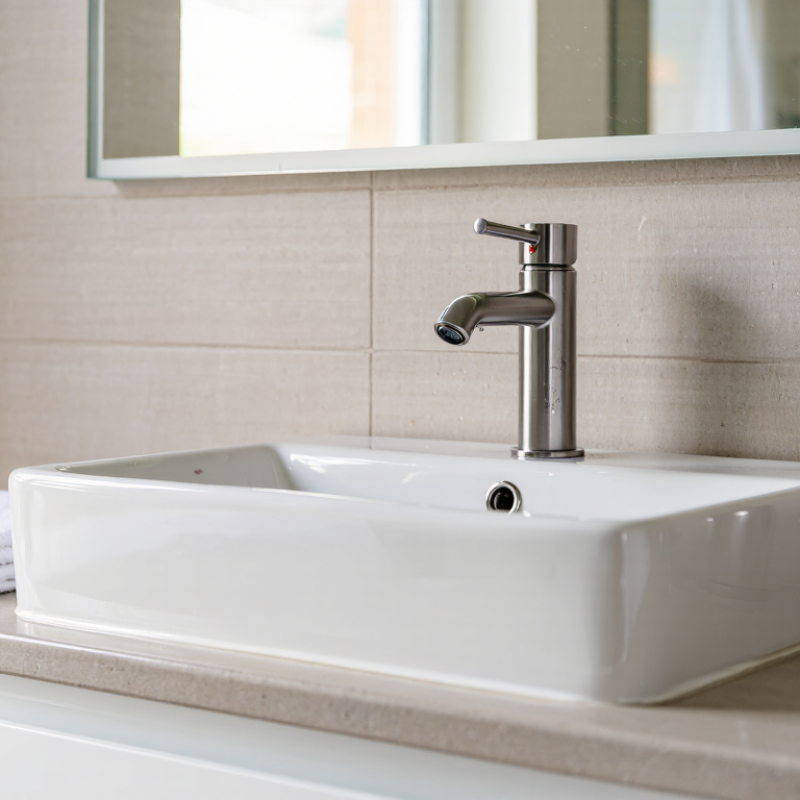
A basin faucet is the fitting that delivers water into a bathroom sink and lets you control its flow and temperature. Hot and cold water usually arrive through separate supply lines beneath the basin. Inside the faucet, a valve or mixing cartridge adjusts how much water passes through each line. The streams blend before reaching the spout. That is the cycle.
A single-handle faucet uses one lever to control both flow and temperature. Moving it side to side changes the hot-to-cold mix; lifting it opens the valve. Two-handle designs use separate controls, which can make fine temperature adjustments feel more deliberate. Small parts matter. A worn cartridge may cause dripping or a stiff handle, while a loose connection can leave water beneath the sink. At the spout, a small aerator shapes the stream and can reduce splashing. It may also limit flow, depending on its design.
When comparing faucets, check the number of mounting holes and the space between the spout and basin. A tall spout can help fill a container, but it may splash in a shallow sink. It is easy to focus on appearance and overlook handle reach. That detail matters when a backsplash or wall sits close behind the faucet. Pressure and installation also affect performance, so the same model may not feel identical in every bathroom.
Choosing the right bathroom faucet starts with checking your sink and plumbing. Measure the number of mounting holes and the distance between them, then confirm that the faucet’s configuration will fit. Consider the spout height and reach: there should be enough room to wash your hands comfortably without splashing water beyond the basin. A single-handle design can make temperature adjustments simple, while a two-handle style offers separate controls. Also look for a finish that suits your bathroom and is easy to wipe clean.
Before installation, turn off the water supply and open the existing faucet to release pressure. Follow the instructions provided with the new faucet, and place a towel or small container beneath the sink to catch leftover water. Remove the old faucet, clean the mounting area, and position the new one securely. Connect the supply lines without twisting or overtightening them, since that can damage the fittings. Once everything is in place, turn the water back on slowly and check each connection for leaks. Run the faucet for a short time to clear the lines, and make sure the handle and drain operate as expected.
The best faucet fits your basin, plumbing, water pressure, and daily routine. There is no universal winner. Measure twice.
Single-hole faucets suit compact basins and leave fewer surfaces to clean. Centerset models keep handles close together. Widespread designs offer adjustable spacing. Wall-mounted models free counter space. Vessel faucets need extra height.
Check the number and spacing of tap holes. Measure basin depth and spout reach. Also check handle clearance beneath cabinets or beside mirrors. A poor measurement can cause daily splashing.
Yes, especially with wet or soapy hands. One lever adjusts temperature quickly. It also creates a tidy appearance. Separate handles may provide finer control, but they need more space.
They require accurate plumbing placement inside the wall. The spout must reach comfortably over the basin. A short spout can make handwashing awkward. Installation changes may increase the budget.
A taller faucet usually works better with a raised bowl. Compare its height, spout reach, and water flow with the basin depth. Excessive height may increase splashing. Tall is not automatically better.
Touchless controls can help when your hands are soapy. They rely on power and may need additional upkeep. Convenience sounds appealing, but maintenance can become annoying. Not always better.
Choose a finish that matches your cleaning habits. Matte surfaces may hide fingerprints, but mineral spots can remain visible. No finish is maintenance-free. Wipe the base regularly.
A built-in aerator can create a steadier stream and reduce splashing. Performance still depends on your plumbing and water pressure. Check connection requirements before purchase. Specifications help, but they cannot reveal every older-bathroom problem.
Confirm compatibility with existing connections and tap holes. Review replacement parts, warranty terms, and return conditions. Ask a qualified installer about unusual plumbing. I would not rely on appearance alone.
A Basin Faucet controls the flow and temperature of water at a bathroom sink by mixing hot and cold supplies through its internal mechanism. In 2026, common options include single-handle, two-handle, wall-mounted, and touch-operated designs, each offering different ways to manage water and suit a bathroom’s layout. The best choice depends on how the faucet will be used, the desired appearance, available space, and the needs of the people using it.
Compare faucet materials and finishes for durability and ease of cleaning, and consider water-saving features that can reduce unnecessary flow. Check that the faucet’s mounting style, number of holes, spout reach, and connections are compatible with the basin and plumbing. Finally, weigh performance, purchase cost, maintenance, and replacement-part availability. Minimal, traditional, and contemporary styles can each work well when their proportions and finish complement the bathroom.