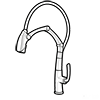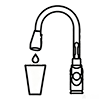

Your kitchen faucet gets a serious workout—used dozens of times every day—so comfort’s just as important as how it looks. A Widespread Kitchen Faucet usually has separate handles and a distinct spout, giving off a more classic, personalized vibe. But keep in mind, layouts aren’t all the same. Before you pick one, it’s a good idea to measure your sink or countertop holes and double-check the spacing requirements of the faucet. A fancy finish won’t do much good if it doesn’t fit properly, right?
In this 2026 guide, we’ve compared ten different options with practical details like installation needs, materials, handle operation, spray features, warranty info, and what other customers are saying. Pay attention to how far the spout reaches the center of your sink, whether the handles turn smoothly, and if the finish is easy to wipe down since that stuff adds up. Sometimes, little details make a big difference. For example, a pull-down sprayer can really come in handy for rinsing out a deep sink, but a simpler model might be easier to keep clean and maintain. Just be sure to double-check the specs—product names and photos aren’t always clear about compatibility.
There’s no one-size-fits-all when it comes to faucets. Some folks want something super sturdy, while others need easy installation or a more budget-friendly option. We try to weigh those pros and cons instead of just picking the most expensive one as the obvious winner. Keep in mind, specs on paper are helpful, but they don’t tell the full story—like how a handle feels after a few months of daily use. So, it’s good to be honest about that. Use the comparison info ahead to narrow down your choices, then make sure to check measurements, included parts, and current warranty details before making your final decision.
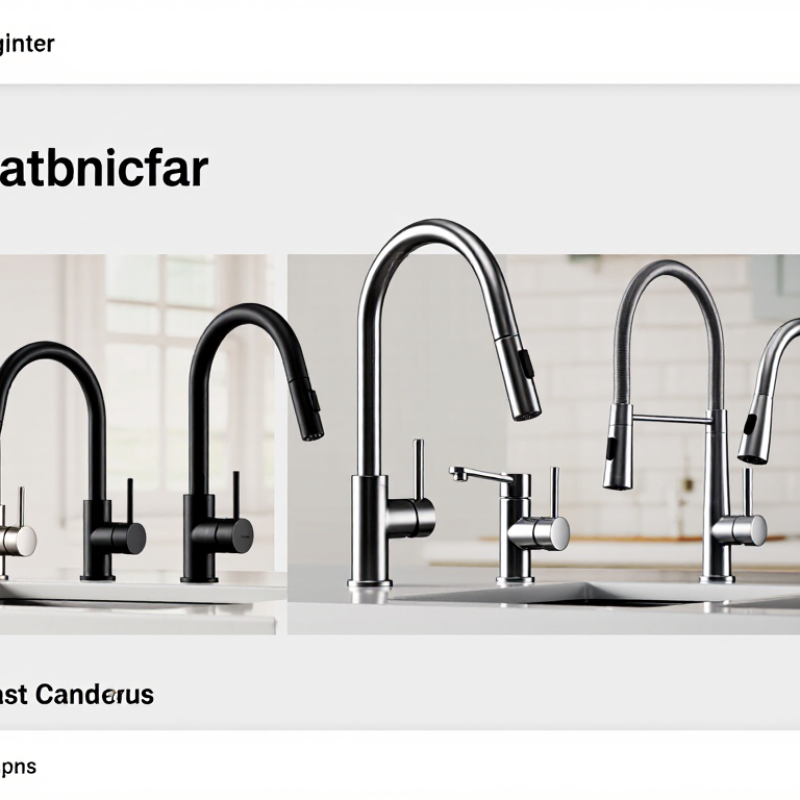
A widespread kitchen faucet has separate hot and cold handles, plus an independent spout. These three components mount directly into separate countertop holes. Unlike a compact center-set faucet, it does not connect through one shared base. The spacing usually ranges from 8 to 16 inches, measured between the handle centers. Always check the product’s specified range before cutting or drilling.
This design creates a clean, furniture-like appearance. It also gives each control more room, which helps when washing large pans. However, the wider layout needs careful planning. Measure the sink, countertop depth, backsplash clearance, and cabinet space underneath. Supply hoses must reach comfortably without sharp bends. I recommend placing paper templates on the counter first. A small spacing error can become an expensive repair.
Widespread faucets can simplify future part replacement because the spout and handles are separate. They can also collect more grime around three mounting points. Cleaning takes longer than expected. That is easy to overlook. Choose solid mounting hardware, accessible shutoff valves, and corrosion-resistant internal parts. A qualified installer can verify water connections and countertop thickness, especially with stone surfaces. Even experienced DIY users sometimes focus on appearance and forget handle clearance. The best fit feels natural when turning water on with wet hands.
A widespread kitchen faucet usually has separate hot and cold handles. Measure the sink first. Check the number of holes, their spacing, and the countertop thickness. Many widespread sets need three holes, often spaced between 8 and 16 inches. A beautiful faucet cannot fix a poor fit. I learned this after ignoring a sink’s rear clearance. The handle struck the backsplash.
Match the faucet’s reach to the basin. The spout should aim near the drain, not the countertop edge. A pull-down sprayer helps with large pans, while a side sprayer may suit compact sinks. Check the swivel range carefully. Too much movement can spray water beyond the bowl. The U.S. Department of Energy sets the maximum kitchen faucet flow rate at 2.2 gallons per minute. Lower-flow models may reduce waste, but weak pressure can frustrate daily cleaning. Performance matters more than a small specification.
Choose certified materials and clearly labeled replacement parts. NSF/ANSI 61 addresses health effects from drinking-water system components, including many faucet materials. Look for durable ceramic cartridges, braided supply lines, and a finish that tolerates repeated wiping. EPA estimates household leaks waste nearly 10,000 gallons annually, so inspect connections after installation. Do not trust a product photograph alone. Read installation instructions and warranty terms. I would also test the handle with wet hands; elegant controls can feel slippery. Small detail, real consequence.
Choosing among the 10 best widespread kitchen faucets in 2026 requires more than checking appearance. Measure the sink, countertop, and hole spacing first. Separate handles and spouts need enough room for comfortable cleaning.
Houzz’s 2024 U.S. Kitchen Trends Study reports that 75% of renovating homeowners selected pull-down or pull-out faucets. That figure suggests flexibility matters more than decorative styling. Still, a widespread design can work well when you want wider hand clearance and easier component replacement.
Compare flow rate, reach, spray control, and installation depth. The U.S. Department of Energy lists 2.2 gallons per minute as the federal maximum for many kitchen faucets, so a lower-flow model may reduce water use without feeling weak.
The Global Kitchen Faucet Market report by Grand View Research identifies rising demand for pull-out, touchless, and water-efficient designs through the decade. Treat those features carefully. Sensors can be convenient, but batteries and electronic parts may create extra maintenance.
I would also inspect the hose weight, ceramic cartridge, and mounting plate. These small details often decide whether the faucet feels stable after months of daily use. My own preference is a balanced spray button, not an overly sensitive one. That judgment is subjective, but it reflects real kitchen handling rather than showroom appeal.
Check warranty terms, replacement parts, and installation instructions before buying. A beautiful faucet with unavailable internal parts becomes an expensive compromise.
A widespread kitchen faucet separates the spout from two handles. This layout gives the sink wall a balanced, tailored appearance. It also allows easier cleaning around each component. In real kitchens, handle spacing matters more than photographs suggest. Measure the mounting holes before choosing any faucet.
A high-arc pull-down faucet suits deep sinks and busy meal preparation.
A low-arc faucet works better beneath cabinets.
A bridge-style faucet adds traditional character and offers precise handle control.
A single-lever widespread design feels faster during rushed cooking.
A two-handle ceramic-cartridge model provides dependable temperature adjustment.
A filtered-water combination faucet reduces counter clutter.
A pot-filler companion works well beside a main washing faucet.
A touch-activated model helps when hands are covered in dough.
A motion-sensor version can improve hygiene, but batteries may become annoying.
A commercial-style spring faucet offers strong reach, though its tall profile needs clearance.
Check the spout’s swivel range and the spray hose length. A faucet that barely reaches the drain will frustrate you daily.
Ceramic cartridges usually resist dripping better than basic compression valves. Look for lead-free construction and certification for drinking-water contact.
Stainless steel supply lines are useful, but connection quality still matters. I once underestimated cabinet space beneath a deep basin. That mistake made installation unnecessarily difficult.
Water pressure also changes spray performance, so advertised flow rates need context. Finish samples can mislead under warm lighting. Choose the faucet that fits your sink, habits, and maintenance tolerance—not merely the most attractive one.
Choosing among the 10 best widespread kitchen faucets in 2026 starts with your water supply, not appearance. A widespread design usually needs three separate mounting holes: one for the spout and two for the handles. Measure the hole centers beneath your countertop. A common spacing may not fit every sink.
Check your water pressure before buying. Low pressure can weaken a pull-out spray, especially in homes with long pipe runs or an under-sink filter. High pressure may require flow control or a pressure-reducing valve. Look for clear flow-rate information, ceramic cartridges, and flexible supply lines. These details matter more than a polished finish.
Installation conditions also shape the right choice. A deep sink needs a spout with enough reach, but excessive reach can splash the rear wall. Compare the faucet’s height with nearby cabinets and windows. Confirm that the mounting deck is thick enough and that the connections match your plumbing. I have seen attractive faucets fail because the handles barely cleared a backsplash. Measure twice.
Water hardness deserves attention. Mineral buildup can affect the aerator and spray selector over time. Removable parts are easier to clean. For filtered or softened water, follow the system’s pressure requirements. One imperfect assumption can create leaks later. Leave enough room under the sink for tightening fittings and future repairs. A faucet should suit the whole installation, not merely the showroom display.
A well-maintained widespread kitchen faucet can perform smoothly for many years. Its separate handles and spout create more joints to inspect. I once ignored a small drip beneath a handle. Within weeks, the cabinet base became damp and slightly swollen. That mistake taught me to treat minor leaks as early warnings.
Wipe the spout and handles after daily use. Use mild dish soap and a soft cloth. Avoid abrasive powders, harsh acids, and rough scrubbers. They can dull the finish or damage seals. Every few months, remove the aerator and rinse away trapped grit. If mineral buildup remains, soak removable parts briefly in diluted white vinegar. Check the manufacturer’s care guidance first. Some finishes react poorly to acidic cleaners. Dry every part before reassembly, and tighten fittings gently.
Tips: Check supply connections with a dry tissue. It reveals slow leaks quickly. Turn handles fully off, but do not force them. Inspect flexible hoses for kinks, cracks, or bulges. Clean around the base where water often collects unnoticed. If the cartridge feels stiff, replace it rather than repeatedly forcing the handle. Photograph the fitting before disassembly. I learned this after forgetting the original washer position. When a leak continues after basic cleaning, consult a qualified plumber. Small components vary, and guessing can create a larger repair.
Recommended maintenance intervals for common widespread kitchen faucet components. Regular cleaning helps prevent mineral buildup, leaks, reduced flow, and premature replacement.
Intervals are practical household guidelines: wipe exposed surfaces regularly, clean aerators about every 3–6 months, inspect hoses and connections twice a year, and service cartridges or seals when dripping or stiffness appears.
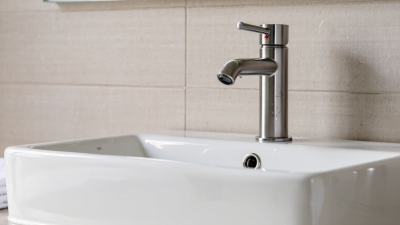
A bathroom upgrade becomes more effective when it combines visual refinement with measurable performance. The UNIVERSE bathroom faucet is designed as a practical focal point, bringing a clean, contemporary profile to the sink while supporting everyday comfort. Its streamlined form can complement modern, transitional, or minimalist interiors, making it suitable for targeted renovations where replacing one fixture creates a noticeable improvement without requiring a complete remodel.
Water efficiency is also an important consideration. According to the U.S. Environmental Protection Agency’s WaterSense program, certified bathroom faucets use no more than 1.5 gallons per minute, compared with the federal standard of 2.2 gallons per minute—potentially reducing faucet water use by more than 30%. The U.S. Energy Information Administration reports that water heating accounts for approximately 18% of residential energy consumption, so reducing unnecessary hot-water flow can support lower household resource use. With its practical configuration and polished appearance, the UNIVERSE bathroom faucet can help homeowners balance design preferences, installation planning, and responsible water use.
When planning the upgrade, measure the existing mounting holes, verify supply-line compatibility, and select a finish that coordinates with the sink, cabinet hardware, and lighting. Pairing the faucet with a streamlined basin and easy-care surfaces can create a more cohesive bathroom environment while keeping maintenance simple.
It has two separate handles and one independent spout. Each part fits into its own countertop hole. The spacing usually measures 8 to 16 inches.
Measure the handle-center spacing, sink size, countertop depth, and backsplash clearance. Check cabinet space below. Measure twice.
Supply hoses must reach without sharp bends. Handles also need clearance from walls, windows, and backsplashes. A small spacing error can cause expensive repairs.
Low pressure may weaken a pull-out spray, especially with long pipes or filters. High pressure may need flow control. Check the flow rate and connection requirements before buying.
Ceramic cartridges, flexible supply lines, and corrosion-resistant internal parts are useful. Removable aerators simplify cleaning. These details matter more than surface appearance.
Wipe the spout and handles daily with mild soap and a soft cloth. Rinse the aerator every few months. Avoid abrasive powders, harsh acids, and rough scrubbers.
Press a dry tissue around supply connections and handle bases. Inspect hoses for kinks, cracks, or bulges. Small leaks matter.
Do not force it repeatedly. The cartridge may need replacement. Photograph the fitting before disassembly, because washer positions can be easy to forget. I learned that the hard way.
Contact a qualified plumber when leaks continue after basic cleaning. Professional help is also sensible with thick stone countertops or unfamiliar plumbing connections. Guessing can enlarge the repair.
A Widespread Kitchen Faucet is designed with separate handles and a spout installed through multiple holes in the sink or countertop, creating a flexible and balanced appearance. When choosing one for 2026, consider the sink’s hole spacing, countertop thickness, available clearance, water-line layout, and the overall style of your kitchen. Important features to compare include construction materials, finish durability, handle control, spout reach, swivel range, spray functions, flow performance, and ease of installation. A well-chosen faucet should suit both your daily routines and your home’s existing plumbing system.
This guide presents ten widespread kitchen faucet options worth considering, covering different designs, installation requirements, and practical features without focusing on brand names. It also explains how to match a faucet to water pressure, connection sizes, and sink configuration. Finally, simple care practices—such as cleaning mineral buildup, checking connections, avoiding harsh chemicals, and inspecting seals—can help maintain smooth operation and appearance for many years.