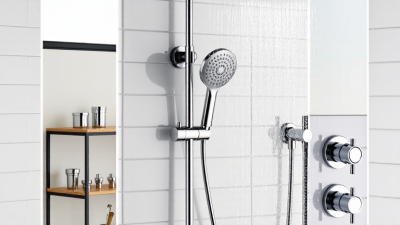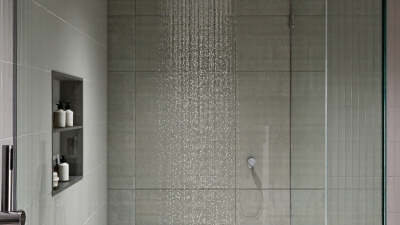
A concealed shower faucet keeps almost all its working parts tucked away behind the bathroom wall. From the outside, you only see the handle, the trim plate, and the actual shower outlets. Honestly, that makes the whole setup look much cleaner—and it can free up a bit of extra space around your shower. But even though the important bits are out of sight, they're still the ones doing all the real work. So here’s how it works: the valve body hooks up to both the hot and cold water supplies, and inside it there’s this little cartridge that handles the flow and temperature. When you turn the handle, the cartridge does its thing and adjusts how much water actually makes it to the showerhead.
You know, some systems actually come with a diverter, so you can switch between a showerhead, a hand shower, or another outlet depending on what you need. How the temperature behaves really comes down to the valve type. A pressure-balancing valve reacts to changes in water pressure, while a thermostatic valve is more about keeping the temperature steady on its own. These little things matter more than you'd think when you're picking a system, since the trim and the valve have to work together. And the exact controls? Well, those vary from model to model.
Just because the hardware is hidden doesn't mean it's a cinch to install. You still have to get the valve positioned just right, anchor it to the framing, and hook everything up before the wall gets closed in. And don't forget waterproofing and planning for access—they matter more than you'd think. If the alignment is off by even a little, the handle can feel awkward, and if there's no service access, later repairs could mean opening up the wall. Honestly, that part is easy to underestimate. Once you get how a faucet actually works, it's a lot easier to compare your options and ask the right questions before you commit to an installation. That said, at the end of the day, the specs and what a qualified installer tells you should probably be what guides your final call.
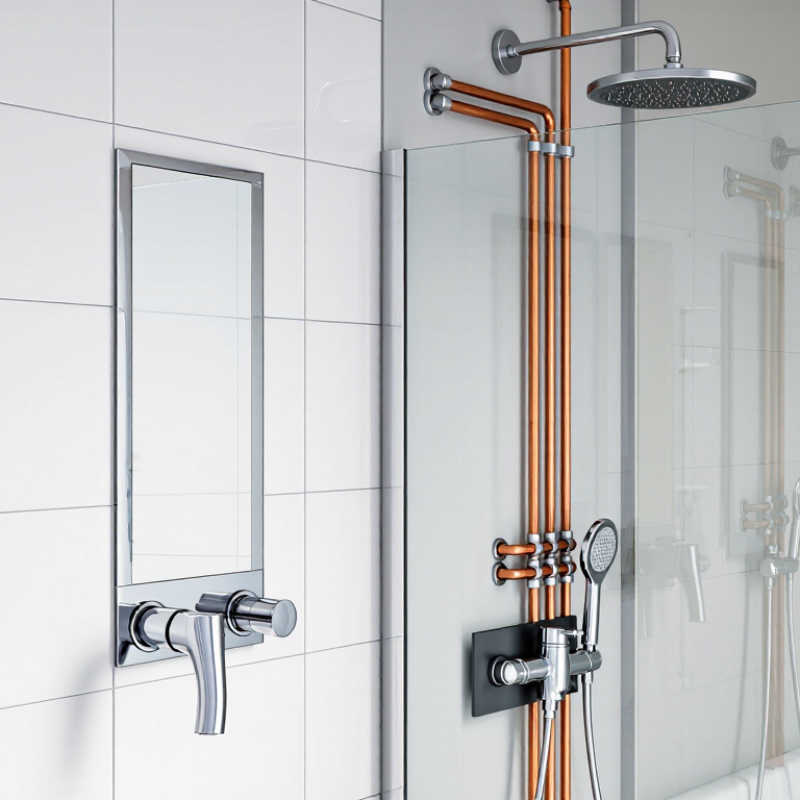
A concealed shower faucet is defined by where its working parts sit: behind the finished wall. The mixing valve, which controls water flow and temperature, is installed inside the wall cavity. What remains visible is usually the control handle and a trim plate, with outlets for the showerhead or hand shower. The wall stays calmer.
Behind the tile, hot and cold water mix before flowing to the selected outlet. A diverter directs water between outlets when the setup includes more than one. These parts, together with the visible controls, form a Concealed Shower System. The trim may look simple, but it operates hardware that must be positioned accurately and connected securely.
Access matters. Some installations include a service opening; others rely on removing the trim to reach the valve. That difference can affect future repairs, so it is worth checking before the wall is closed. The clean appearance is appealing, though it can make maintenance less obvious. I would not treat “concealed” as “maintenance-free”—valves still wear, and access should be planned rather than assumed.
A concealed shower faucet keeps most working parts inside the wall, leaving the handle and shower outlets visible. Behind the tile sits a rough-in valve body, which directs water and connects the hot and cold supply pipes. Inside that body, a cartridge controls flow and temperature. Some systems use a pressure-balancing cartridge; others use a thermostatic cartridge to help maintain a chosen temperature. The difference matters when someone flushes a toilet or runs a tap nearby.
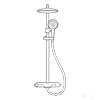
A diverter may also sit behind the wall or within the visible control trim. It sends water to different outlets, such as a handheld shower or overhead rain head. In a Concealed Rain Shower Set, the wall may also hide pipework leading to a ceiling-mounted arm. Mounting brackets hold the valve steady, while seals help limit leaks around connections. Access can be awkward after tiling, so the valve’s position and service requirements deserve careful checking before installation. Small details matter.
Tips: Confirm the valve depth against the finished wall, including tile and adhesive. Keep a simple photo of the open wall and pipe routes. It can help later. Parts and layouts vary by system, so follow its installation instructions and ask a qualified plumber if anything is unclear.
Behind the tile, hot and cold supply pipes feed a concealed valve body. Inside, a cartridge mixes the water and controls its temperature and flow. When you turn the handle, the cartridge opens a passage to the shower outlet. A diverter may direct water to a handheld shower or tub spout instead. With a Concealed Shower Mixer Set, the valve stays behind the wall while the handle and trim remain visible. Not magic. The exact route depends on the valve design, so the product’s installation instructions matter.
Once mixed, water travels through a short outlet pipe to the shower arm and head. The showerhead’s small openings shape the flow into streams or spray. The U.S. Environmental Protection Agency’s WaterSense showerhead specification sets a maximum flow rate of 2.0 gallons per minute for labeled models; the federal standard allows up to 2.5 gallons per minute. That measures water leaving the head, not the concealed valve’s capacity. A useful detail: weak spray may come from low supply pressure, a partly closed valve, or scale in the head—not necessarily the hidden plumbing. And walls conceal the valve, which makes careful installation and access planning worth the extra thought.
In a concealed shower system, the visible handle operates a valve body hidden behind the wall. A thermostatic cartridge mixes hot and cold water, while a temperature control sets the target. On many systems, a separate volume control opens the outlet and adjusts flow. Some designs combine both jobs in one handle. Check the installation guide; the trim alone does not reveal the valve layout.
Pressure-balance valves work differently. They respond when supply pressure shifts, helping limit sudden temperature swings if another tap draws water. They do not necessarily set an exact temperature. A thermostatic valve can hold a selected temperature more steadily, but it still depends on correct setup, adequate supply, and maintenance. Feel the water carefully. A dial marking is not a thermometer.
The flow control changes how much water reaches the showerhead; it does not simply make water hotter. The U.S. EPA’s WaterSense showerhead specification sets a maximum flow rate of 2.0 gallons per minute at 80 psi for labeled models, compared with the federal 2.5-gpm benchmark. That is a specification, not a promise of identical pressure in every home. Mineral scale can narrow passages, and low supply pressure may soften the spray. I would check both the cartridge and showerhead before blaming the control; that assumption is easy to get wrong.
| Topic | What It Is | How It Works | What the User Notices |
|---|---|---|---|
| Concealed shower faucet | A shower valve system with its main valve body and pipe connections installed behind the finished wall. The handle or handles and decorative cover plate remain visible. | The in-wall valve receives hot and cold water, controls their mixing and/or flow, and sends water to the shower outlet. | A less visually cluttered shower wall; the valve body is generally not visible during normal use. |
| Visible trim and controls | The trim usually includes a handle or handles, a cover plate, and sometimes a separate diverter control. | The handle connects to the concealed valve cartridge or control mechanism through the wall opening. | Control layouts vary: one control may operate both temperature and flow, while other designs use separate controls. |
| Temperature adjustment | Temperature is adjusted by changing the proportion of hot and cold water mixed inside the valve. | On many single-control valves, turning the handle changes the mix. On thermostatic designs, a dedicated control sets the desired temperature. | The direction and range of handle movement depend on the valve design. Follow the markings and installation instructions for that model. |
| Flow adjustment | Flow control changes how much water passes through the valve to the shower outlet. | A single-control valve may use the handle’s movement to open or close the flow. A two-control arrangement may have a separate flow handle or on/off control. | Available flow also depends on supply conditions, the valve, pipework, and showerhead; the handle alone does not determine the final flow rate. |
| Pressure-balancing valve | A valve type designed to respond to changes in hot- or cold-water pressure. | Its balancing mechanism adjusts the hot and cold supply proportions when pressure changes, helping reduce sudden temperature swings. | It helps maintain a more consistent shower temperature, but it does not necessarily hold an exact user-selected temperature. |
| Thermostatic valve | A valve type that regulates mixed-water temperature around a selected setting. | A temperature-sensing element adjusts the hot and cold mix as supply conditions change, within the valve’s operating limits. | Many designs use one control for temperature and another for flow, though exact control arrangements vary. |
| Diverter control | A control used in some systems to direct water between outlets, such as a showerhead and a hand shower. | The diverter changes the water path to the selected outlet. It may be built into the main control or provided as a separate control. | Not every concealed shower faucet includes multiple outlets or a separate diverter. |
| Installation and servicing | The valve body is fitted inside the wall before the wall finish is completed. | Correct depth, secure mounting, compatible trim, and accessible service parts are important. Many valves can be serviced through the trim opening, but access depends on the design and installation. | Plan the valve location and service access before tiling, and have installation performed in line with local plumbing requirements. |
A concealed shower faucet hides its mixing valve and pipework behind the wall; only the controls and shower outlet remain visible. During installation, the plumber shuts off the water, checks the hot and cold supply lines, and fixes the valve body between the studs. Its depth matters: set it too far back, and the handle may not reach; too far forward, and the trim can sit proud of the tile. The pipework is connected and pressure-tested before the wall is closed. Don’t skip that test. A small leak behind finished tile is costly to find.
The tile thickness and the valve’s required mounting depth must be planned together. Installers also check water temperature and control movement after fitting the trim. The U.S. EPA’s WaterSense showerhead specification sets a maximum flow rate of 2.0 gallons per minute at 80 psi for labeled models. That figure is a useful reference when choosing a showerhead, but actual flow depends on household pressure and the full plumbing setup. A Luxury Concealed Shower System can look clean and simple; the hidden work is less forgiving.
Tips: Photograph the open wall before tiling. Confirm the valve depth against the finished-wall instructions, and ask the installer to document the pressure test. Access for future servicing is worth considering.
A concealed shower faucet places its mixing valve behind the wall, leaving only the handle and trim visible. Access depends on the valve design. Some cartridges can be reached from the shower side after removing the handle and trim; others require an access panel behind the wall. Check the installation guide before closing the wall. Keep it reachable.
For routine care, wipe the trim with a soft cloth and mild soap. Avoid abrasive pads, which can scratch finishes. Look for drips, loose handles, damp grout, or discoloration near the shower. Small signs matter. The U.S. EPA’s WaterSense program estimates household leaks can waste nearly 10,000 gallons of water each year. A slow leak behind tile may be harder to notice, so check nearby rooms and ceilings too.
Before servicing the valve, shut off its local stops if fitted, or the home’s main water supply. Open the handle to release pressure, then follow the manufacturer’s instructions for cartridge removal. If there is no front-side service access, a rear access panel can prevent unnecessary tile removal. Keep spare tiles and installation details; future repairs may need them. One awkward truth: a clean, seamless wall can make maintenance less convenient. Don’t cut into waterproofing unless you know how it will be restored.
These are suggested routine intervals, not manufacturer-specific requirements; adjust them for water quality and usage. The valve is commonly serviced from the front by removing the handle and trim, while some installations also have a rear access panel. Turn off the water supply before servicing, and investigate leaks or changes in operation promptly.
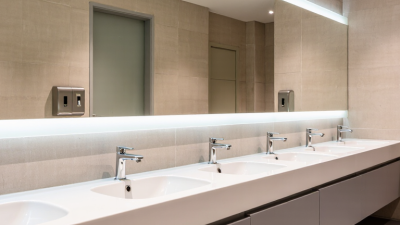
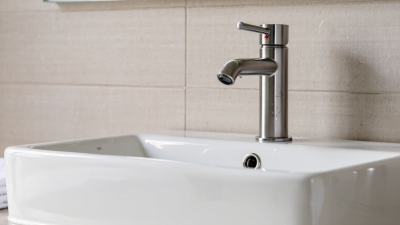
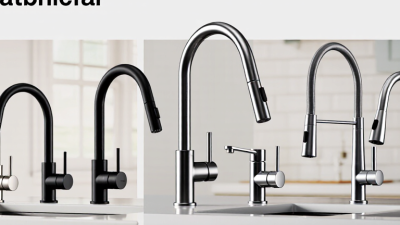
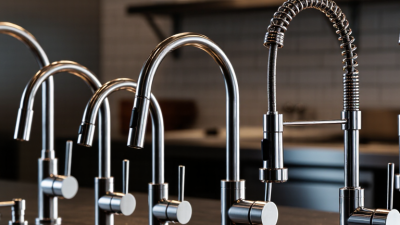
Houzz’s 2024 U.S. Bathroom Trends Study highlights how bathroom updates bring together everyday function and personal style. In this context, the faucet deserves careful attention: it is used constantly, contributes to the room’s visual character, and can influence how convenient a sink area feels. A streamlined design can complement a range of bathroom styles, while a finish that coordinates with other fixtures helps create a more considered look.
When choosing a bathroom faucet, consider the sink configuration, available counter space, handle placement, and ease of cleaning. A comfortable handle and a spout suited to the basin can make routine tasks simpler and help reduce splashing. Look for clear installation and care instructions, along with a finish designed for regular use. These practical details make it easier to select a faucet that fits both the bathroom’s layout and the homeowner’s preferences.
Its mixing valve sits behind the finished wall. Usually, only the handle, trim plate, and shower outlets remain visible.
Hot and cold water mix inside the valve. A diverter can direct water to a showerhead or hand shower.
Some handles control both settings. Other designs use separate controls for temperature and water volume. Check the installation guide; the trim may not reveal the layout.
A thermostatic valve aims to hold a selected temperature. A pressure-balance valve responds to supply-pressure changes, but may not set an exact temperature.
No. It changes how much water reaches the outlet. Mineral scale or low home pressure can also weaken the spray.
Some valves are reached from the shower side by removing the handle and trim. Others need a rear access panel. Check before closing the wall.
Look for drips, damp grout, loose handles, or discoloration near the shower. Check nearby ceilings and rooms too. Small signs matter.
Wipe the trim with a soft cloth and mild soap. Avoid abrasive pads. Before valve work, shut off the water and follow the installation instructions.
Plan access, keep installation details, and save spare tiles if possible. A seamless wall looks tidy, but repairs can be awkward. I still find that easy to overlook.
A Concealed Shower Faucet is a shower system with most of its plumbing and control components hidden behind the wall, leaving only the handles, trim, and shower outlet visible. Behind the wall, a mixing valve connects the hot and cold water supplies and directs the blended water through pipes to the showerhead. Turning the controls adjusts the water temperature, while changing their position or opening adjusts the flow.
Installation involves fitting and connecting the valve within the wall, checking for leaks, and ensuring the controls and outlet line up with the finished surfaces. Because key parts are concealed, careful planning and accurate installation are important. For maintenance, access is often available through the trim or a nearby service panel, depending on the design. Periodically checking the visible controls and having the valve inspected if flow or temperature becomes inconsistent can help keep the system working reliably.