Inquiry
Form loading...
0%

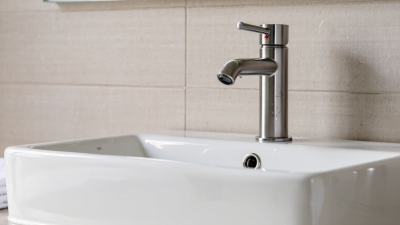
You know, a Chrome Vanity Faucet can really make a bathroom pop. But let’s be honest—it’s not just about how it looks in the showroom. Spout reach, handle clearance, sink-hole spacing, and even water pressure all change how it works for you every day. That faucet might look gorgeous on a product page, but if your sink basin is shallow, it could splash water everywhere. The little things are what really matter.

Okay, so there’s this product designer, Dieter Rams, who came up with a really handy principle: “Good design is as little design as possible.” Now, that’s not exactly a plumbing spec, but honestly, it kind of fits when you’re shopping for faucets. You want those clean lines, sure, but not if it means dealing with awkward handles or a faucet that underperforms. I put together this guide comparing ten chrome vanity faucets, looking at different styles and bathroom needs—and, of course, keeping practical fit in the picture.

A pretty photo can only tell you so much. Before you pick anything, figure out whether the model is single-hole, centerset, or widespread—and for heaven's sake, measure the sink you already have. Then go hunting for clear manufacturer info: materials, cartridge type, flow rate, warranty, installation requirements. It's not the fun part, but it saves headaches later. Chrome can look amazing in the light, sure, but in between cleanings it loves showing off fingerprints and water spots. So bottom line: don't pick on looks alone.

Sure, a lower price definitely grabs your attention. But honestly, replacement parts and warranty support? That’s what really matters over time. Specs can change too, so it’s worth double-checking the latest details with the manufacturer or retailer before you pull the trigger. And look — this shortlist is just a starting point, not a replacement for actually measuring your vanity. Because a small mismatch is one of those things you’ll probably regret.
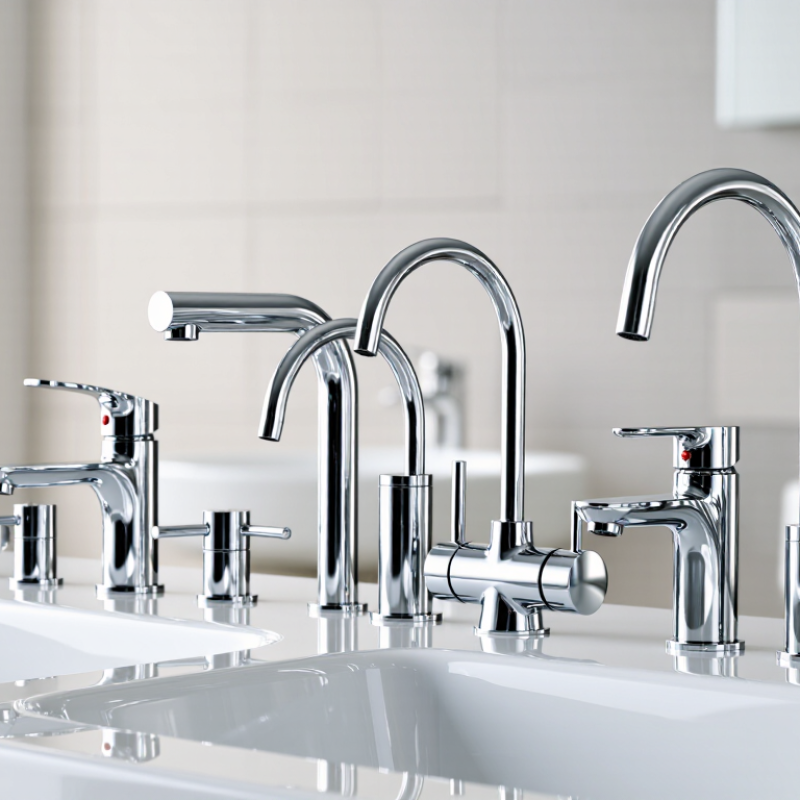
Top 10 Chrome Vanity Faucets for Every Bathroom

Understanding Chrome Vanity Faucets and Their Key Features

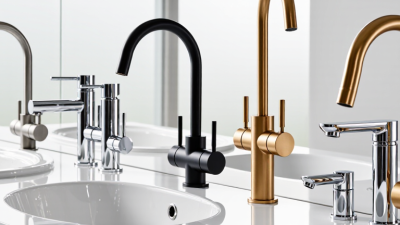
Chrome vanity faucets combine a bright, reflective finish with practical controls for everyday washing. The surface is usually chrome plating over a metal body, so construction quality matters as much as appearance. Polished chrome can make a small bathroom feel brighter. It also shows water spots and fingerprints, especially near the handle. That trade-off matters.

Handle style affects both comfort and installation. A single-handle faucet adjusts temperature and flow with one hand, which can be useful when the other hand is wet. Two-handle designs allow separate hot and cold adjustments, but need more counter space. Check the faucet’s hole spacing and spout reach before choosing. A basin that is too shallow may splash.

Look inside, too. A ceramic-disc cartridge is commonly valued for smooth operation and resistance to wear, though performance depends on the full faucet design. An aerator mixes air into the stream and can soften splashing; check its flow rating rather than assuming it saves water. Measure the sink, inspect the supply connections, and confirm there is room to clean around the base. Small details, yes—but they can be easy to miss.

Top 10 Chrome Vanity Faucets: Understanding Flow-Rate Limits

A faucet’s finish affects its appearance, while its flow rate affects water use. These U.S. standards provide a useful reference when comparing bathroom faucets.

WaterSense-labeled bathroom sink faucets are limited to 1.5 gallons per minute (gpm); the U.S. federal maximum is 2.2 gpm. The WaterSense limit is about 32% lower. These are maximum rates, not the measured flow rate of every faucet. Sources: U.S. EPA WaterSense and U.S. federal standards.

How to Compare Faucet Styles, Mounting Types, and Handles

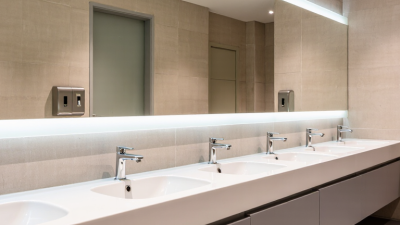
Chrome vanity faucets vary in shape, reach, and installation style. A sleek single-hole faucet leaves more counter space, while a widespread model gives separate handles a balanced look. Centerset faucets suit sinks with three closely spaced holes. Wall-mounted designs free the deck, but need compatible plumbing and careful spout placement. Measure the sink before choosing; even a polished Chrome Basin Faucet can splash if its spout falls too far from the drain.

Handle style affects daily use. Lever handles are easy to adjust with damp hands and offer a clean, modern profile. Cross handles bring a traditional touch, while knobs can feel compact but require a firmer grip. Check that handles clear the backsplash and nearby mirror. Small details matter. One easy mistake is choosing by appearance alone; I would also compare handle movement and water temperature control before deciding.

Tips: Confirm the number and spacing of sink holes, then measure the spout reach. Wipe chrome with a soft cloth to reduce water spots. If possible, test the handle action in person; product photos rarely show how smoothly it turns.

Top 10 Chrome Vanity Faucets for Different Bathroom Needs

Top 10 Chrome Vanity Faucets for Different Bathroom Needs

A useful top-ten list should match faucets to real bathroom constraints, not just finish and shape. For a narrow powder room, a compact centerset model can leave more counter space around the basin. A widespread faucet suits larger countertops and separate handle placement. Vessel sinks often need a taller spout; otherwise, water can splash against the bowl. Small detail. Check the sink’s hole spacing and faucet reach before buying.

For shared family bathrooms, single-handle controls are quick to adjust, while two-handle designs offer separate hot and cold controls. Lever handles can be easier to operate with wet hands. Wall-mounted faucets free up counter space, but require compatible plumbing inside the wall. For water use, the U.S. Environmental Protection Agency’s WaterSense program says certified bathroom sink faucets use no more than 1.5 gallons per minute, at least 30% less than the federal standard of 2.2 gallons per minute. Look for certification, not just a “low-flow” label.

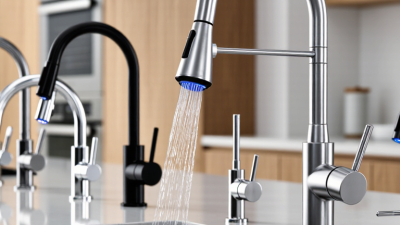
Chrome reflects light and pairs easily with many bathroom finishes, but water spots show readily on polished surfaces. A quick wipe helps. A brushed finish may be more forgiving, though it has a different look. Compare ceramic-disc valves, warranty terms, and replacement-part availability; those practical details matter after installation. And don’t confuse a Chrome Kitchen Faucet with a vanity faucet: spout height and basin reach differ. Even a well-reviewed model can disappoint if it misses the sink. That part is easy to overlook.

Top 10 Chrome Vanity Faucets for Every Bathroom — Top 10 Chrome Vanity Faucets for Different Bathroom Needs

No. Faucet Style Best Bathroom Need Mounting Handle Type Typical Spout Reach Typical Spout Height Key Consideration
1 Single-hole, single-handle Compact bathrooms and small vanities Deck-mounted; usually one faucet hole Single lever 4–5 in. 4–6 in. Combines the spout and control in one fitting; check whether the faucet includes a deck plate for a wider existing hole pattern.
2 Centerset, two-handle Standard sinks with closely spaced faucet holes Deck-mounted; commonly fits a 4-in. hole spread Two handles 4–5 in. 4–6 in. The spout and handles form one assembly. Measure the distance between the centers of the sink holes before choosing a faucet.
3 Widespread, two-handle Large vanities and flexible handle placement Deck-mounted; separate components, often adjustable for about 8–16 in. hole spreads Two separate handles 5–7 in. 5–7 in. Offers a more open layout, but requires enough deck space and the correct number and spacing of sink holes.
4 Wall-mounted single-handle Countertop vessel sinks and uncluttered vanity decks Wall-mounted Single lever 6–8 in. Varies with installation Requires plumbing inside the wall. Set the spout height and reach to suit the sink and limit splashing.
5 Tall vessel-sink faucet Raised bowl sinks Deck-mounted; typically one hole Single lever 5–6 in. 10–14 in. Check the combined height of the countertop and vessel so the spout clears the rim without sitting excessively high.
6 Low-profile, short-reach faucet Shallow basins and bathrooms where splash control matters Deck-mounted; one or three holes depending on configuration Single or two handles 3–4 in. 3–5 in. A shorter reach can suit a compact basin, but confirm that the water stream lands near the drain rather than on the basin slope.
7 High-arc, single-handle faucet Deep or spacious vanity basins Deck-mounted; usually one hole Single lever 5–7 in. 7–9 in. The added clearance can make handwashing easier. Pair the arc and reach with a basin deep enough to help reduce splashing.
8 Two-handle faucet with cross handles Traditional-style bathrooms and separate hot-and-cold controls Deck-mounted; centerset or widespread Two cross handles 4–6 in. 4–7 in. Choose centerset or widespread based on the sink’s hole layout; handle shape and spacing can affect comfortable operation.
9 Single-handle faucet with pull-out rinse spray Vanities used for rinsing the basin or washing hair Deck-mounted; typically one hole Single lever with pull-out spray head 5–6 in. 5–7 in. Confirm there is clearance beneath the sink for the hose and counterweight, and enough room to extend the spray head.
10 Touchless, single-hole faucet Shared bathrooms where hands-free activation is preferred Deck-mounted; usually one hole Sensor-activated with manual temperature control 4–6 in. 5–7 in. Check the power option, sensor placement, and access to batteries or the power supply before installation.

Chrome describes the finish, not a specific faucet configuration. Dimensions shown are approximate ranges commonly found across faucet styles; exact measurements, hole requirements, and included accessories vary by model. Verify the product specification sheet and sink layout before purchase.

Choosing a Faucet That Fits Your Sink and Bathroom Layout

Chrome vanity faucets look cohesive, but fit matters more than finish. Measure the sink’s mounting holes, rim thickness, and distance from the faucet hole to the drain. A widespread faucet needs separate deck holes and more counter space; a single-hole model suits tighter layouts. Check spout reach, too: the water stream should land near the drain, not splash against the basin wall. A Chrome Vessel Sink Faucet usually needs extra height, but excessive height can increase splashing. The right proportions are easy to underestimate.

Water use deserves a place in the choice. The U.S. Environmental Protection Agency’s WaterSense specification sets a maximum flow rate of 1.5 gallons per minute for labeled bathroom faucets, at least 20% below the standard 2.2-gallon rate. That figure helps compare performance, though it does not tell you whether a faucet suits your sink. A beautiful faucet can still feel awkward if its handle hits a backsplash or its spout barely clears the vessel bowl.

Tips: Tape the faucet’s footprint on the counter before buying. Open drawers and cabinet doors to check handle clearance. Measure twice. Then compare the faucet’s listed spout height and reach with your sink dimensions. A small mismatch can become a daily irritation, and finish alone will not fix it.

Matching Chrome Finishes with Bathroom Design

Chrome works best when it feels deliberate, not like a lone shiny detail. Against white tile, it gives a crisp, cool edge; beside warm stone or oak, it creates useful contrast. Repeat the finish in a mirror frame, towel ring, or cabinet pulls, but avoid matching every metal exactly. A little variation keeps the room from looking showroom-stiff. Small bathrooms benefit especially: chrome reflects light, though water spots can show clearly on polished surfaces.

Finish also needs to suit the room’s other textures. Pair a curved chrome faucet with simple, straight-edged hardware for gentle contrast, or use clean geometric shapes throughout for a quieter look. The 2024 Houzz U.S. Bathroom Trends Study tracks fixture and finish choices in real renovations, a useful reminder that coordinated details matter in lived-in spaces. Still, a photograph can flatter a finish. Check a sample beside your actual lighting and tile.

Function should guide the final choice. The U.S. Environmental Protection Agency’s WaterSense program sets a maximum flow rate of 1.5 gallons per minute for labeled bathroom faucets, at least 30 percent below the federal standard. Look for that rating if water efficiency matters. A Chrome Kitchen Sink Faucet may share the same polished look, but a vanity faucet must fit the basin’s hole spacing and reach. Measure before buying. I may be overthinking the finish, but a faucet that splashes onto the counter will bother you every morning.

Installation, Cleaning, and Long-Term Care for Chrome Faucets

A chrome vanity faucet looks simple to install, but small alignment errors can leave water pooling around the base. Turn off both supply valves and open the old faucet to release pressure. Follow the faucet’s installation sheet, since mounting hardware and drain connections vary. Hand-tighten fittings before using a wrench, and avoid forcing them. Check for leaks with a dry tissue after restoring the water. A plumber is sensible if the shutoff valves are stiff or corroded.

For daily cleaning, use warm water, a few drops of mild dish soap, and a soft microfiber cloth. Rinse away soap and dry the chrome to reduce water spots, especially near the handle and spout. Skip scouring pads, abrasive powders, and strong acidic cleaners; they can dull or scratch the finish. Gentle is better.

Every few months, inspect beneath the sink for damp connections and clean the aerator if the flow becomes uneven. Mineral buildup may loosen after soaking the aerator in diluted white vinegar, but check the faucet instructions first and rinse it thoroughly. Chrome resists routine wear, not neglect or impact. I’d rather wipe it often than scrub hard later. Some spots still return in hard water; that is maintenance, not necessarily a finish defect.

A Smarter Bathroom Refresh: Choosing the GEOMETRY Bathroom Faucet for Modern Living

A bathroom refresh does not always require a full renovation. Replacing an outdated faucet can make the sink area feel cleaner, more coordinated, and easier to use every day. The GEOMETRY Bathroom Faucet offers a modern look suited to contemporary interiors, with a considered shape that can complement a range of countertop and basin styles. Its simple profile helps keep the space visually uncluttered, whether you are updating a compact guest bathroom or refining a larger primary bath.

When choosing a new faucet, consider how its proportions will work with your sink and how the finish fits the room’s existing details. A well-matched design can tie together the mirror, lighting, and cabinet hardware without overwhelming them. The GEOMETRY Bathroom Faucet is a practical option for homeowners seeking a fresh, streamlined focal point as part of a thoughtful bathroom update. Pair it with a clear countertop and coordinated accessories to create a comfortable space that feels polished and ready for daily routines.

FAQS

What makes a chrome vanity faucet look bright?

Its polished surface reflects light and can make a small bathroom feel brighter. It also shows fingerprints and water spots. A quick wipe helps.

How do I choose between one handle and two?

A single handle adjusts temperature and flow with one hand. Two handles control hot and cold water separately. They need more counter space.

What should I measure before buying a faucet?

Check the sink’s hole spacing, basin depth, and faucet reach. Make sure the spout reaches the bowl without splashing. Easy to miss.

Which faucet works with a vessel sink?

A vessel sink often needs a taller spout. A short spout may send water against the bowl. Check the height and reach together.

Is a ceramic-disc cartridge worth checking?

It can provide smooth operation and resist wear. Still, the whole faucet’s design affects performance. The cartridge alone is not a guarantee.

What does an aerator do?

It mixes air into the water stream and may soften splashing. Check the listed flow rate. Don’t assume every aerator saves water.

How can I choose a faucet for a small bathroom?

A compact centerset faucet can leave more counter space around the basin. Measure first. A few inches can matter.

What details matter after installation?

Check supply connections, cleaning access, warranty terms, and replacement-part availability. Polished chrome needs regular wiping. I might overlook that, too.

Conclusion

This guide explores the features that make a Chrome Vanity Faucet a practical and stylish choice for a bathroom. It explains how to compare faucet designs, mounting options, and handle types, then considers different needs such as sink size, bathroom layout, and ease of use. The overview also highlights how to choose from ten faucet styles suited to a range of spaces, from compact vanities to larger bathroom setups.

To create a cohesive look, the guide offers tips for pairing chrome finishes with bathroom colors and materials. It also covers key considerations for installation and everyday care, including gentle cleaning and routine checks to help preserve the faucet’s appearance and performance over time.


Julian Mercer

Julian Mercer

Julian Mercer is a seasoned marketing professional with a strong understanding of product development, manufacturing, and market operations. Working closely with an established enterprise that has more than 23 years of industry experience, Julian brings together commercial insight and technical......
Previous What Is a Concealed Shower Faucet and How Does It Work?