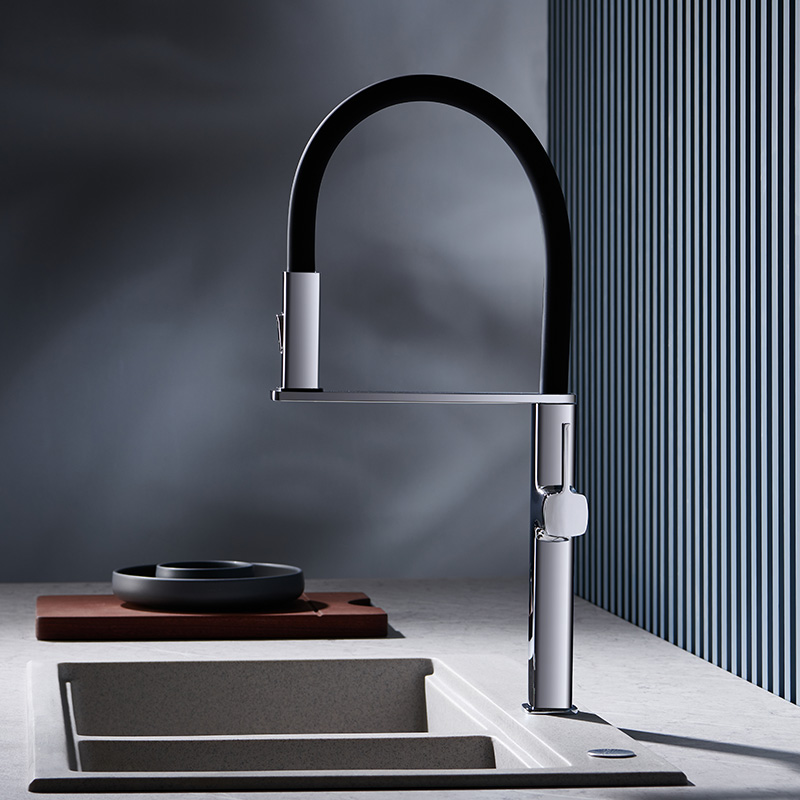
Stainless Steel Faucets: Core Advantages & Global Market Trends
Stainless Steel Faucets: Core Advantages & Global Market Trends
Jan 23, 2026
Why They Are Becoming the First Choice for Global Procurement
Introduction
In recent years, stainless steel faucets have rapidly become the mainstream choice in the global sanitary ware market. They have replaced traditional brass faucets in many commercial and residential scenarios. This shift is driven by their outstanding performance and changing consumer preferences.
For procurement professionals and industry stakeholders, understanding the core advantages of stainless steel faucets and future market trends is key to making informed decisions.
Ⅰ. Core Advantages
Durable & Corrosion-Resistant
Made of food-grade 304/316 stainless steel, it is naturally rust and corrosion resistant, requires no electroplating, and has a lifespan of over 10 years, performing stably in humid environments.
Health & Safety
No lead or nickel leaching, certified by EPA, NSF and other international standards, meeting the high hygiene requirements of hotels, hospitals and other scenarios.
Low Maintenance & Aesthetic Appeal
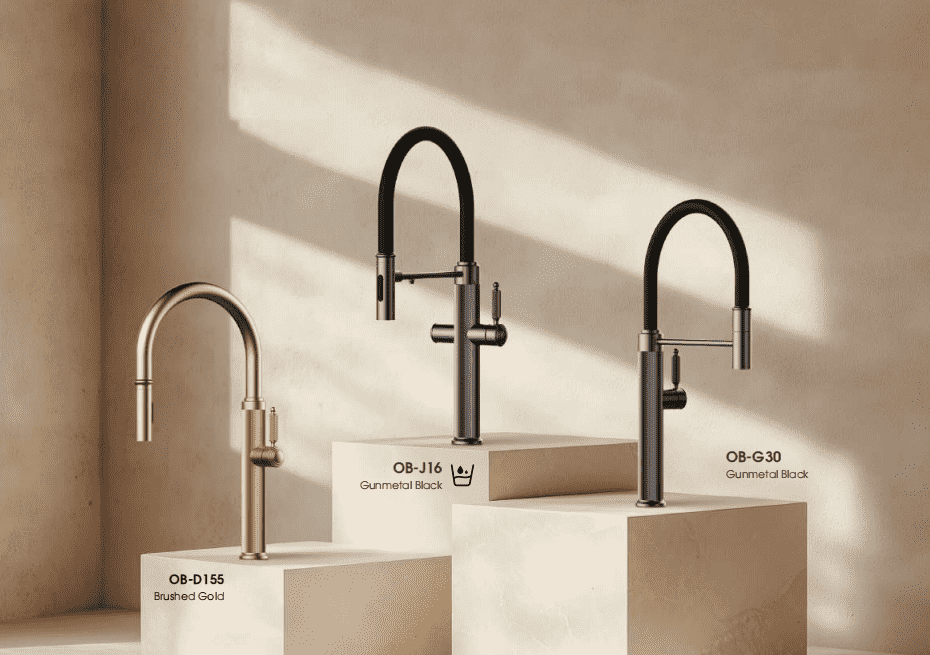
Smooth, fingerprint-resistant surface that cleans with a single wipe. Brushed, matte and other finishes complement modern and industrial design styles.
Eco-Friendly & Recyclable
100% recyclable, with much lower production energy consumption and pollution than brass, aligning with global carbon neutrality trends.
Ⅱ. Market Trends
Booming Commercial Demand: Surge in demand from high-traffic scenarios such as hotels and hospitals, with commercial segment projected to account for 45% of the market by 2028.
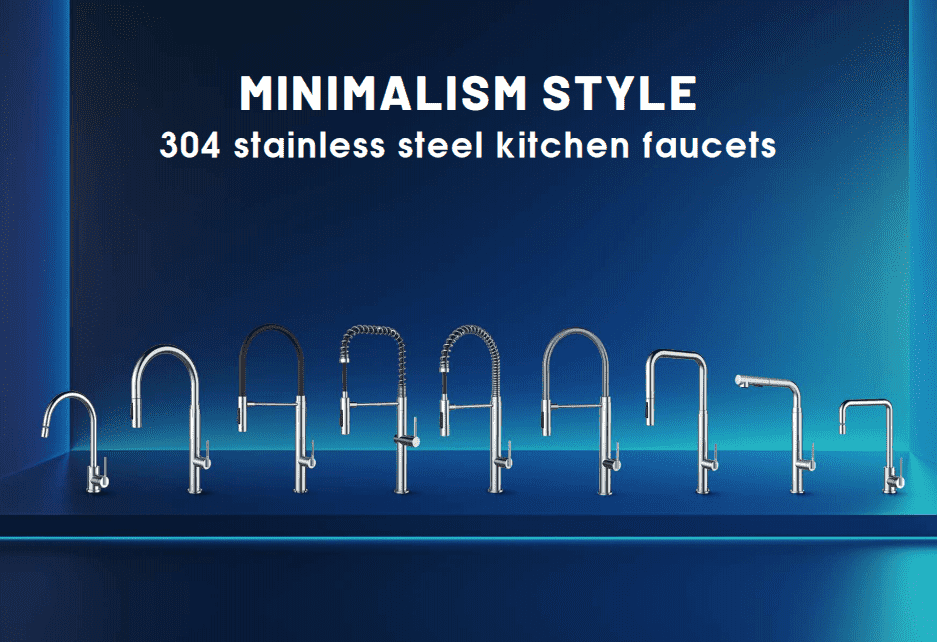
Growth in Residential Renovations: Popular in European and American kitchen/bathroom renovations, driven by minimalist design trends.
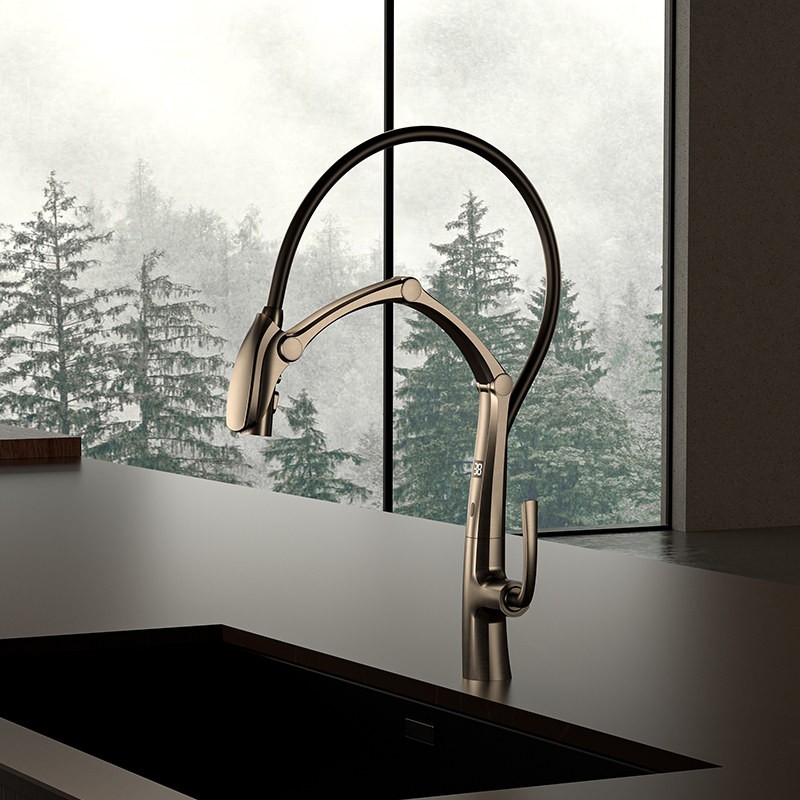
Smart & Water-Saving Upgrades: Integrated sensors and water-saving aerators reduce water usage by up to 30%, making them a standard for green buildings.
Supply Chain Optimization: Kaiping, China production hub improves capacity and quality control, ensuring stable supply of cost-effective products.
Ⅲ. Conclusion
Stainless steel faucets have evolved from a "trend" to a "necessity". Their durability, health benefits and eco-friendliness are core considerations for procurement decisions. Partnering with reliable manufacturers is key to seizing opportunities in industry transformation.